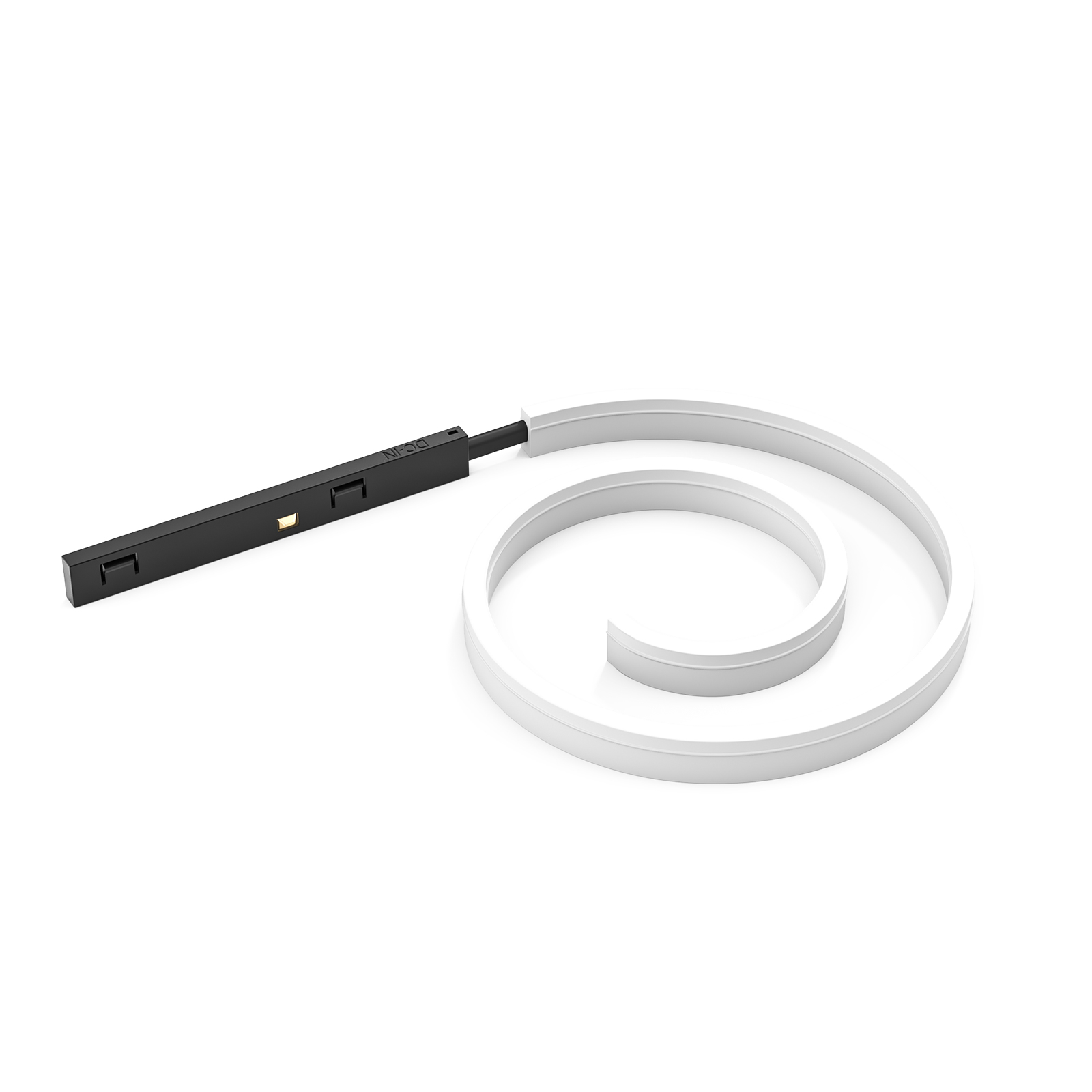
Why 5mm Slim Magnetic Track Lights Are Ideal for Modern Interiors ?

Specifying lighting for a modern interior often forces a difficult trade-off: a perfectly clean ceiling, or flexible, layered illumination — rarely both. Recessed downlights lock you into a fixed grid, while traditional track systems introduce visible hardware that disrupts minimalist design intent. The 5mm slim magnetic track light resolves this tension by combining a near-invisible 5mm profile with tool-free, magnetically attached LED modules that can be repositioned by hand in seconds. For architects and specifiers working on luxury residences, boutique hotels, high-end retail, and executive offices, this system delivers both aesthetic purity and long-term adaptability without compromise.

This article examines the design, technical, and financial factors that have made 5mm slim magnetic track lighting a preferred specification for contemporary interiors.

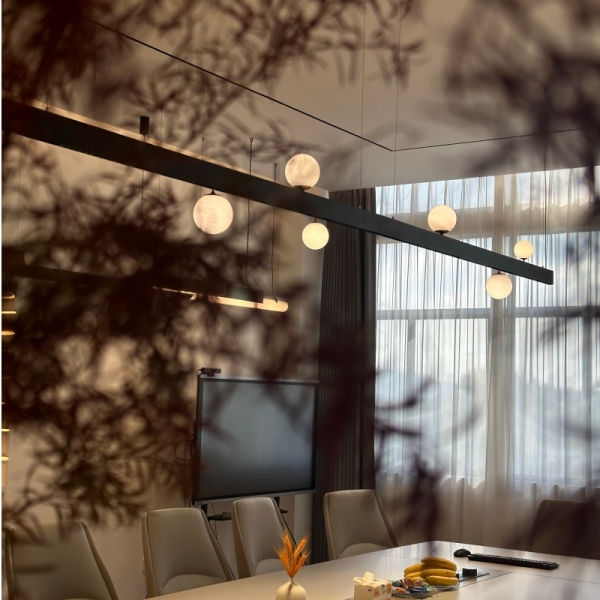
Minimalist grey interior showcasing 5mm ultra-thin magnetic track lighting, curved linear LED strips, and modern spherical pendant lamp installation.

What Is a 5mm Slim Magnetic Track Light?

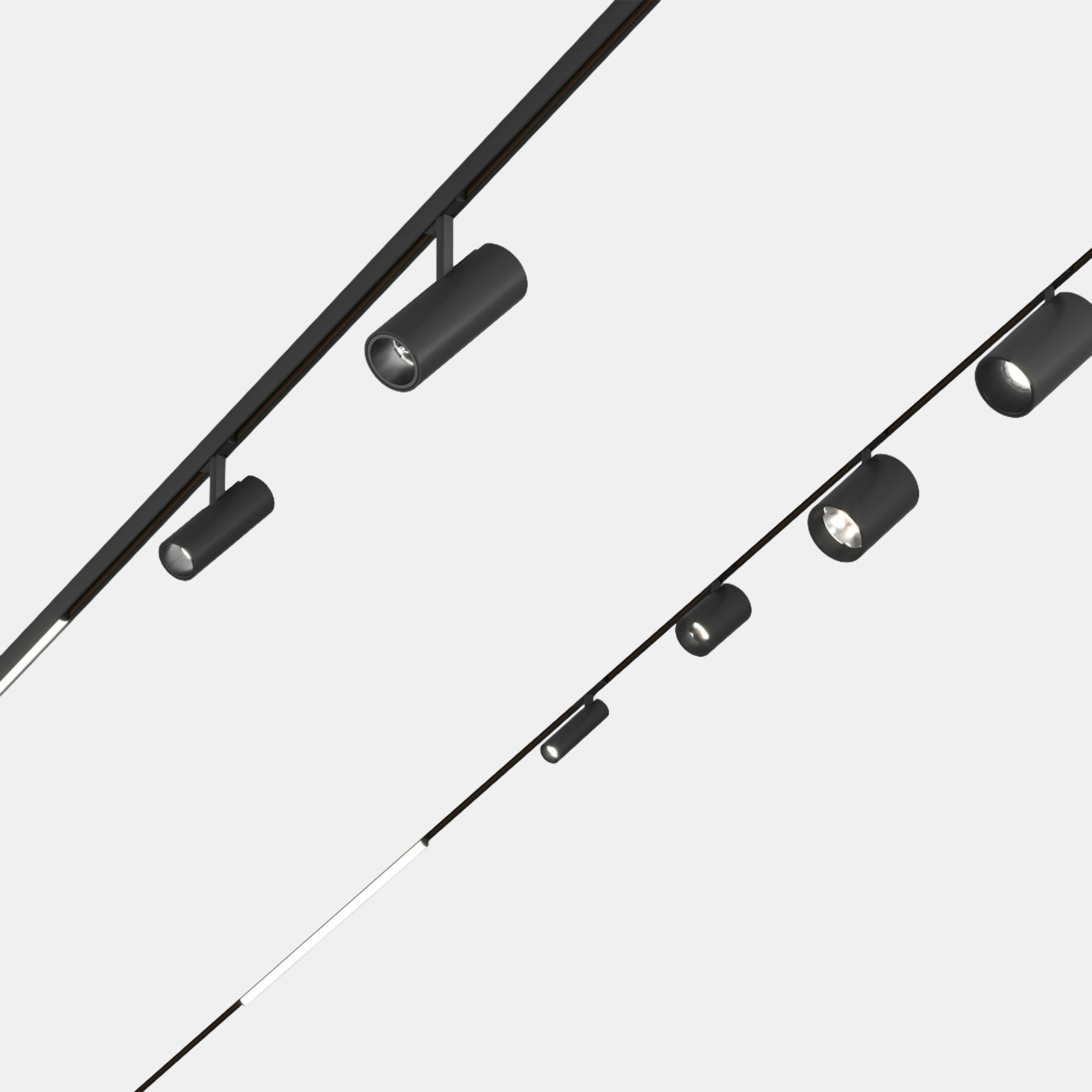
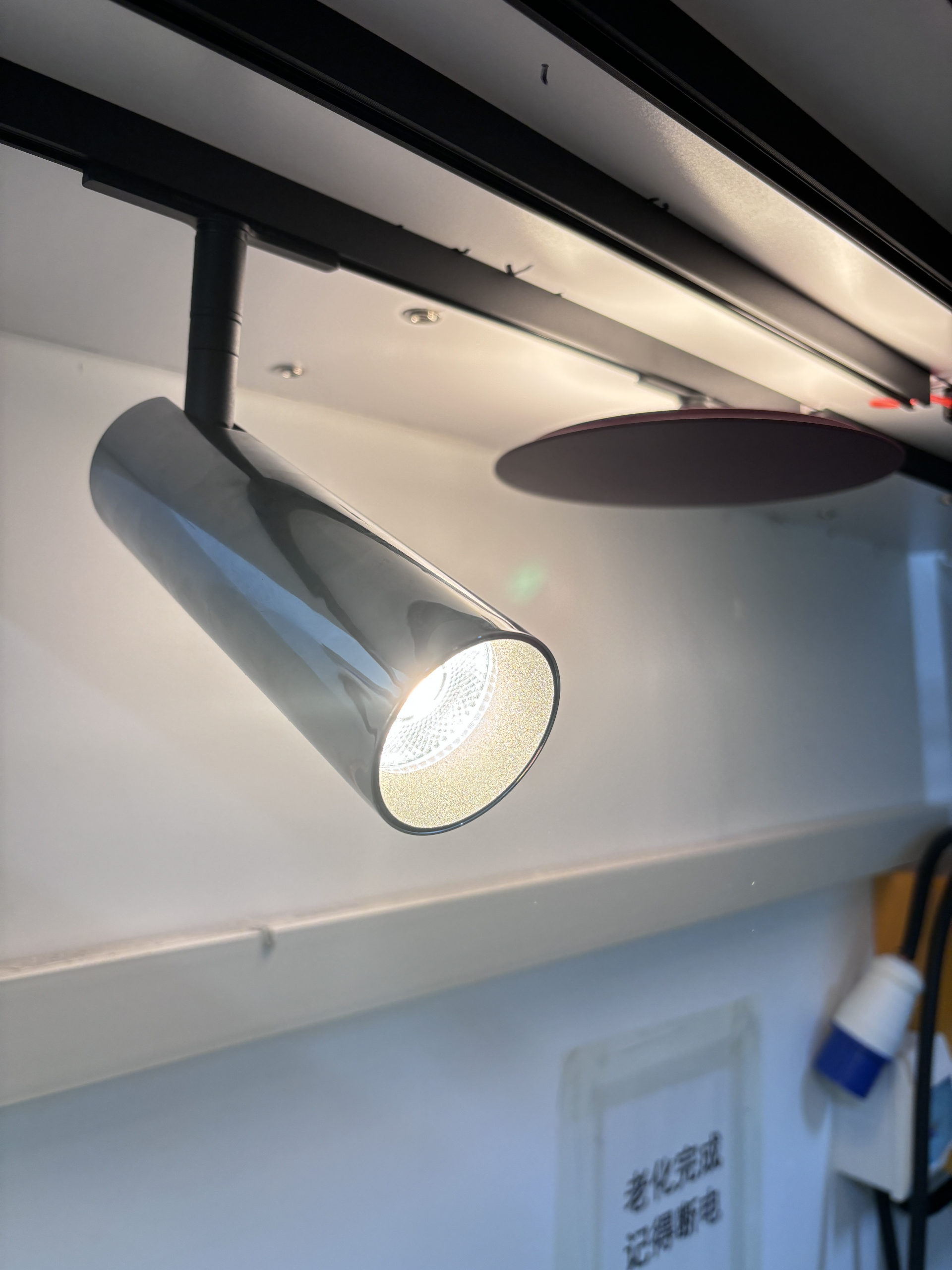
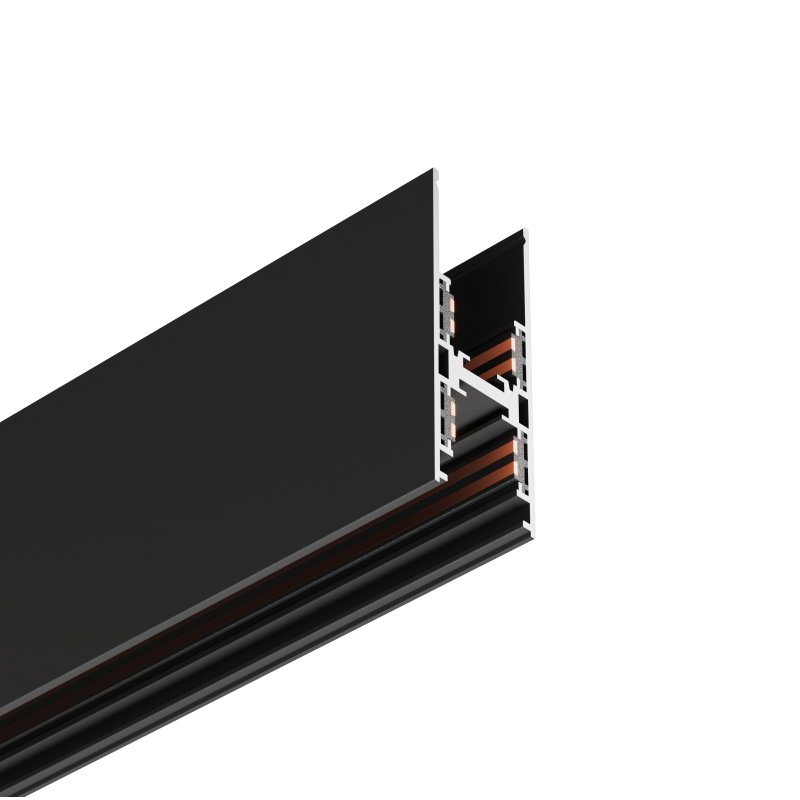
A 5mm slim magnetic track light is a low-voltage linear lighting system in which the visible track face measures only 5 mm. The extruded aluminum housing contains continuous high-purity copper conductors delivering 24V or 48V DC power. Interchangeable LED modules — spots, floods, wall washers, pendants, and linear bars — attach anywhere along the track via integrated rare-earth magnets and spring-loaded contact pins. Modules snap into position, make instant electrical contact, and can be repositioned or swapped without tools.

Types of 5mm Slim Magnetic Track Light

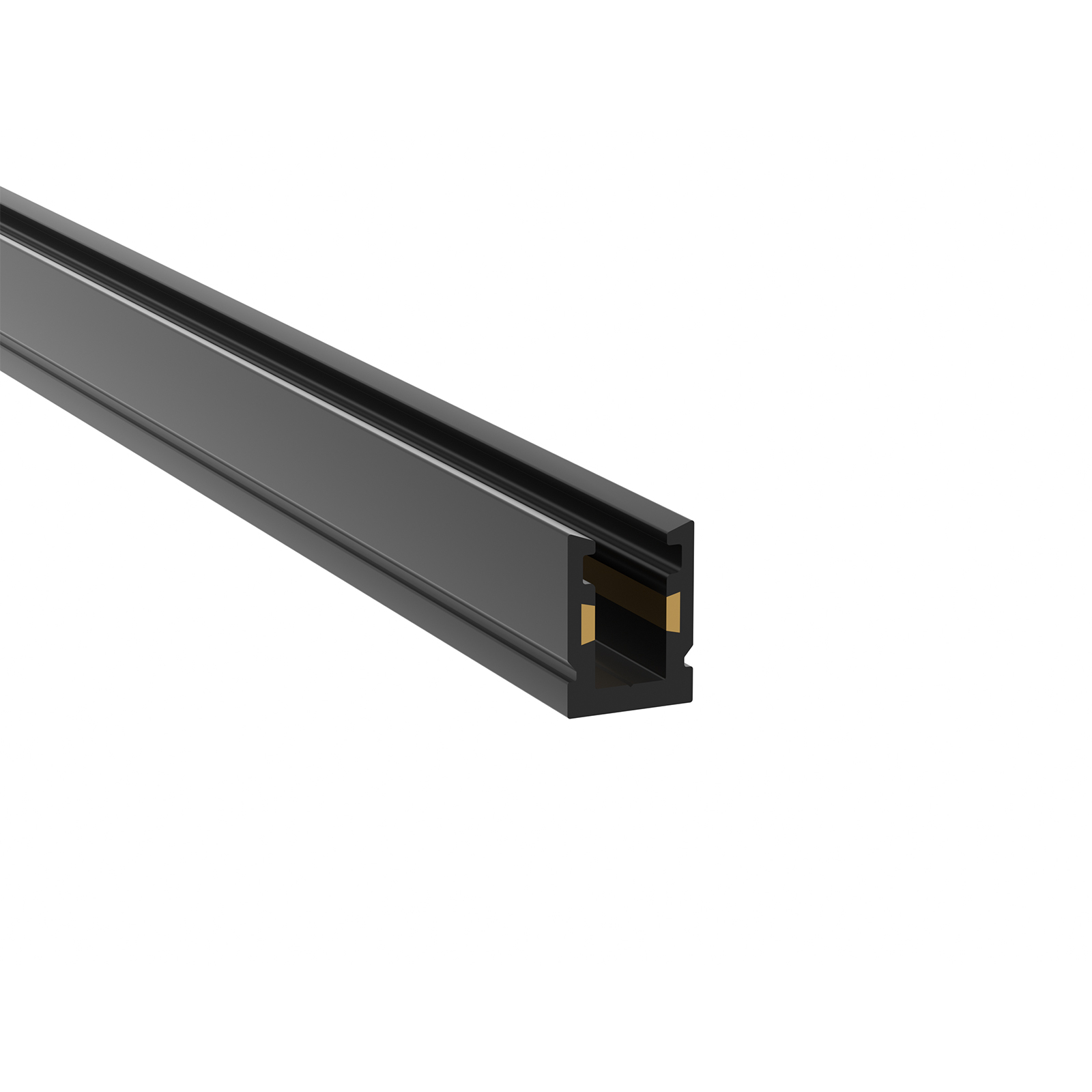
  • Recessed: Track embedded flush with ceiling; only a 5mm slot visible. Requires a false ceiling with a prepared recess typically 25–35 mm deep and 22 mm wide. Suited to luxury residences, galleries, and executive offices where invisible integration is essential.

  • Surface-Mounted: Track fixed directly to finished ceiling or wall surfaces using screws or adhesive. No ceiling opening required. Ideal for retrofit projects, exposed concrete ceilings, and industrial interiors needing fast installation.

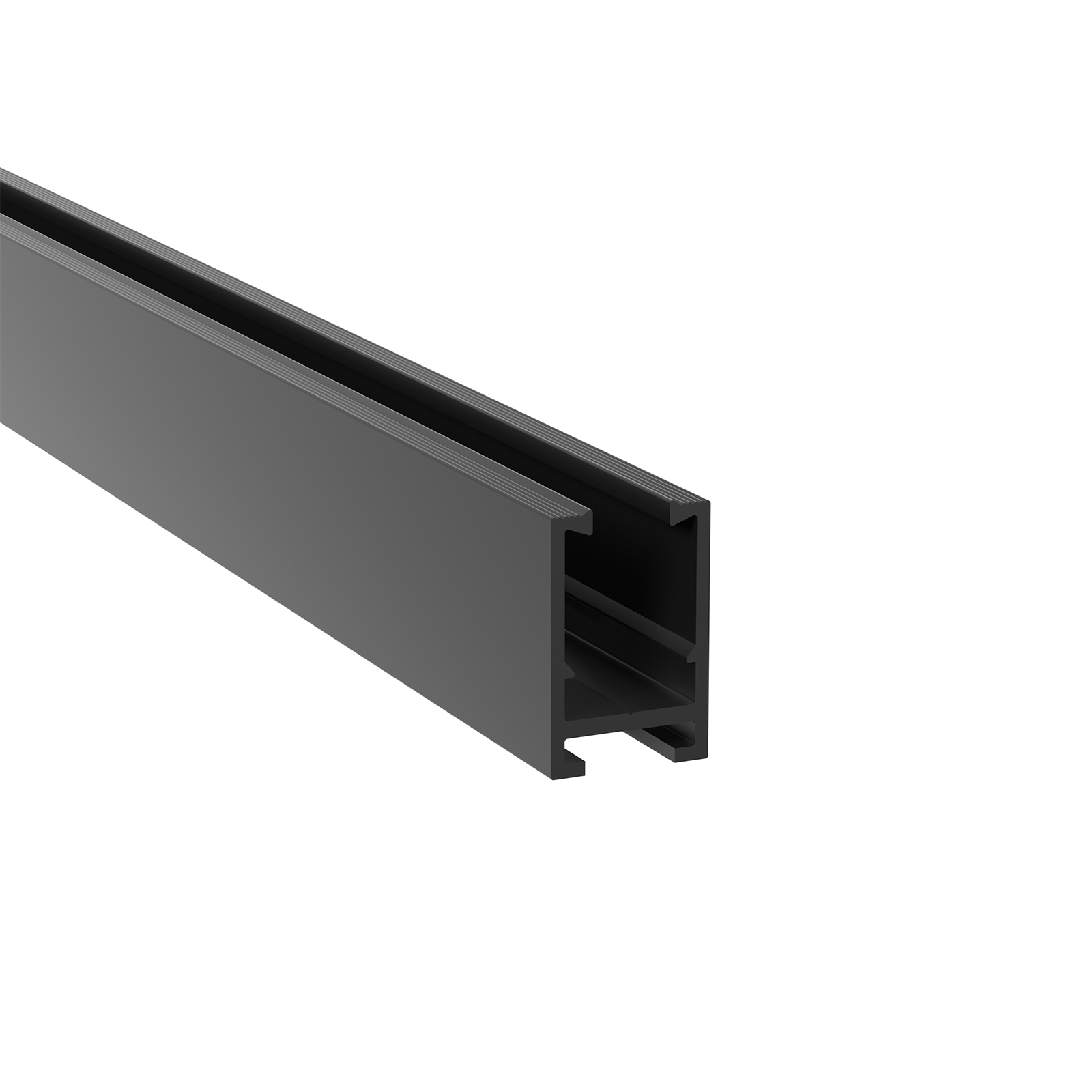
  • Suspended (Downlight): Track hung from structural ceiling via steel cables or rigid stems. Modules direct light downward for task areas, atriums, and open-plan offices.

  • Suspended (Up/downlight): Same suspension method; modules emit light upward and downward, washing the ceiling to reduce contrast. Suitable for hospitality, lounges, and residential settings.

Mounting TypeDescriptionIdeal ApplicationsInstallation Requirements
RecessedEmbedded flush; only 5mm slot visible.Luxury homes, galleries, offices.False ceiling; recess 25–35 mm deep.
Surface-MountedFixed directly to ceiling or wall.Retrofits, concrete, industrial.No opening; screws or adhesive.
SuspendedHung on cables; downward light.Atriums, offices, task areas.Ceiling anchors; adjustable cables.
Suspended

(Up and downlight)

Hung on cables; upward and downward light.Hospitality, lounges, residences.Ceiling anchors; adjustable cables.
Summary table and description of 5mm slim magnetic track light mounting types, including recessed, surface-mounted, and suspended installation methods.

How a 5mm Slim Magnetic Track System Compares to Conventional Formats

Feature5mm Slim Magnetic TrackStandard Magnetic TrackTraditional 3-Phase Track
Visible track/profile width5 mm20-45 mm35–50 mm
Ceiling impactNear-invisible lineNoticeable architectural lineDominant hardware feature
Module repositioningTool-free, infinite positionsTool-free, infinite positionsRequires loosening and retightening
Electrical safetySELV (24V/48V)SELV (24V/48V)Mains voltage
Smart control integrationFull (via driver)Full (via driver)Limited
Retrofit friendlinessExcellent (surface mount blends in)GoodPoor
Aesthetic flexibility over timeMaximumHighLow

The 5mm track’s defining advantage is simple: it disappears. This creates possibilities that wider tracks simply cannot match — long, uninterrupted lines across open-plan areas, recessed installations where only a hairline slot is visible, and surface-mounted applications that read as deliberate architectural accents rather than retrofit compromises.

Design and Functional Advantages

1. Minimalist Aesthetics That Respect the Architecture

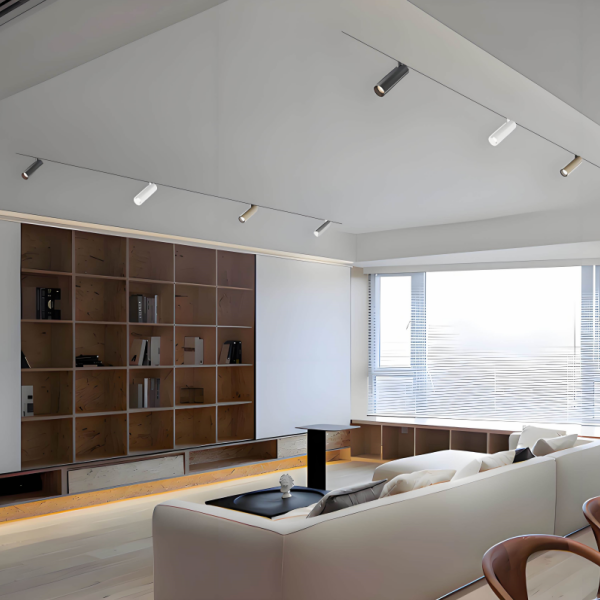
The 5mm track is engineered to vanish. When recessed, it presents as a slot thinner than a typical plasterboard shadow gap. When surface-mounted, it reads as a fine architectural line rather than lighting hardware. In one completed luxury apartment project in Singapore, the design team replaced a planned grid of 28 recessed downlights with two continuous 5mm recessed track lines, achieving an uncluttered ceiling while maintaining full ambient, task, and accent lighting from a single infrastructure.

This approach supports interiors where every visible element is intentional — contemporary European residences, Japandi-style apartments, and high-end retail spaces where the ceiling should frame merchandise rather than compete with it.

2. Layout Flexibility Without Visual Clutter

Because the track’s visual weight is minimal, designers can run continuous lines across an entire open-plan area — crossing from a kitchen through the living space and into a hallway — without creating visual barriers. All lighting functions (ambient, task, accent, decorative) can be delivered from the same line by mixing module types. When furniture layouts change, users slide a spot module to the new position in seconds; no electrician, patching, or repainting is required. For commercial tenants with frequent layout changes — coworking spaces, retail pop-ups, showrooms — this flexibility directly reduces operational costs by eliminating electrical call-outs for lighting adjustments.

3. Space-Saving Design for Compact Interiors

In small apartments, boutique hotel rooms, and micro-retail units, a 5mm surface-mounted track occupies negligible visual volume and zero floor or wall footprint. It delivers layered, functional lighting from a single infrastructure line, removing the need for separate pendants, sconces, and downlights. In a 35-square-meter studio, a single 5mm track running from the kitchen counter through the sleeping area can manage cooking task light, dining pendant, and bedside reading spot — all independently adjustable from one clean line.

4. Energy Efficiency and Long Service Life

The system uses LED modules with typical efficacies exceeding 90 lm/W, based on manufacturer photometric reports measured in accordance with IES LM-79. Combined with low-voltage DC supply, total energy consumption is approximately 40–60% lower than equivalent halogen systems operating under comparable daily hours, depending on specific wattage and usage patterns. LED modules are rated for 50,000+ hours to L70 per IES LM-80 test data, and the driver — the primary wear component — is installed in a serviceable location for straightforward replacement if needed.

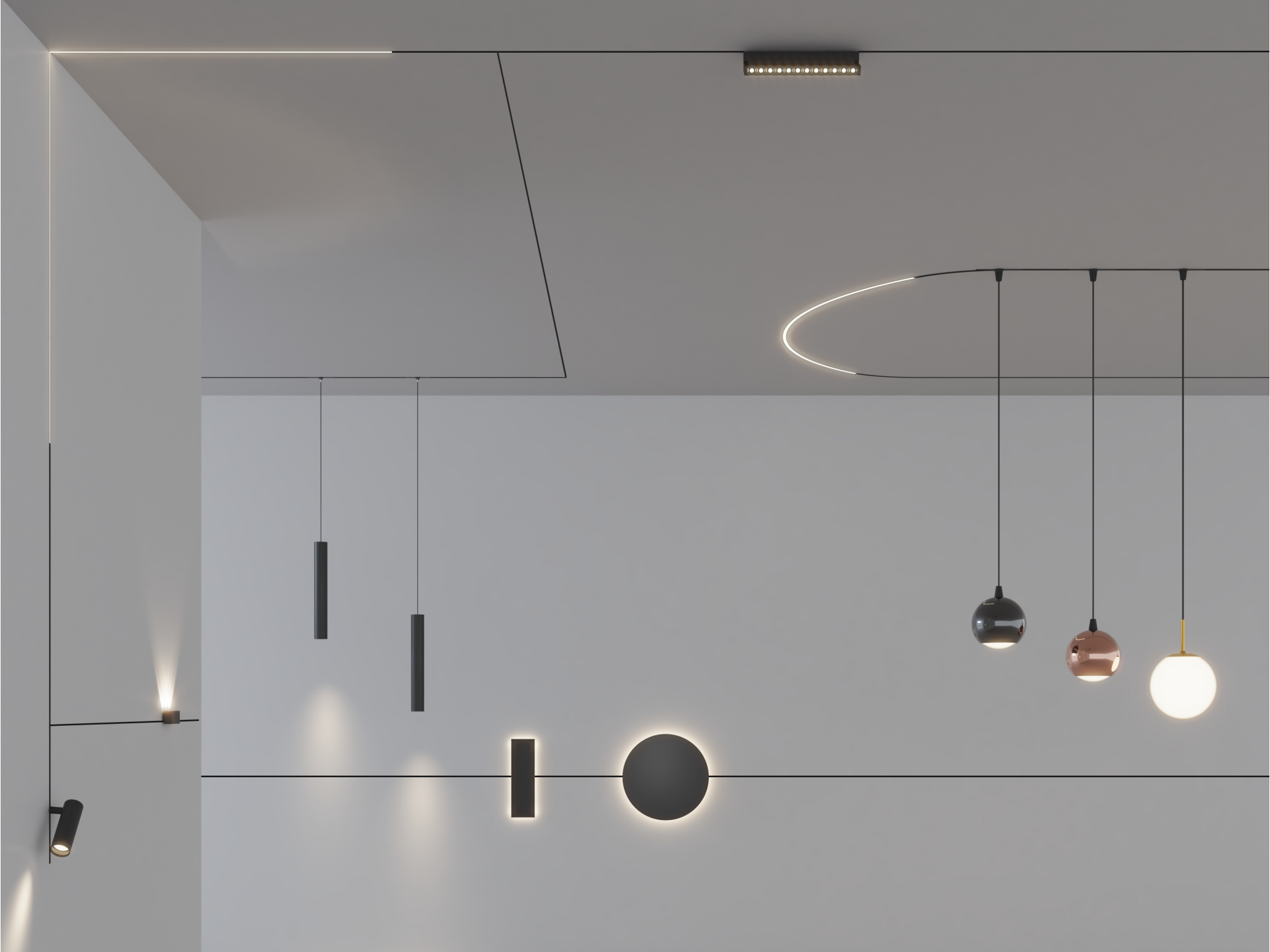
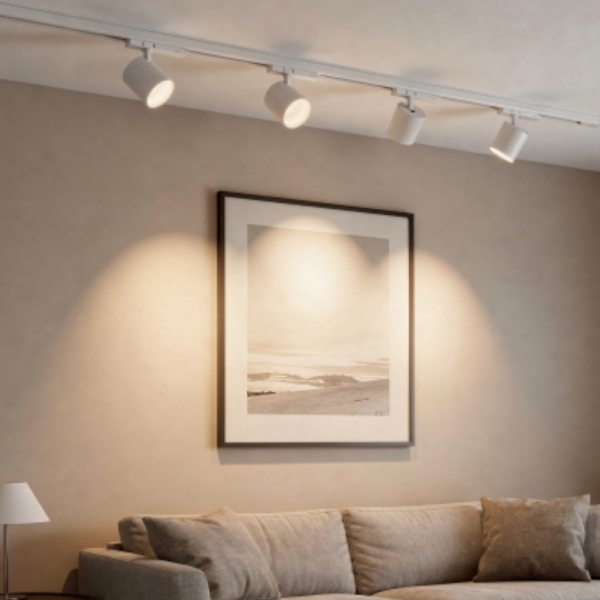
Core advantages of 5mm profile slim magnetic track light: minimalist aesthetics, space-saving layout flexibility, energy efficiency, and installation example of the magnetic spotlight.

5mm Slim Magnetic Track vs. Halogen Track: Cost Comparison Over 10 Years

The comparison below assumes a commercial installation with approximately 20 linear meters of track, operating 12 hours daily.

Parameter5mm Slim Magnetic Track (LED)Traditional Track (Halogen)
System price (per meter)$15 – $45$10 – $20
Typical system lifespan3 – 5 years1 – 2 years
Bulb replacement frequency (10 years)1 – 2 time5 – 10 times
Energy cost (10 years)Low (LED, >90 lm/W)High (halogen, ~120 lm/W)
Reconfiguration costZero (tool‑free)Medium (electrician required)
Total cost of ownership (10 yr)LowestHighest

The halogen system appears less expensive at initial purchase but becomes the costliest option over time due to frequent relamping, higher energy consumption, and electrician call-out fees for layout changes. The 5mm magnetic system’s higher hardware cost is recovered through minimal relamping, lower energy use, and the elimination of reconfiguration labor. Actual savings vary based on local electricity rates, labor costs, and operating hours; users should model their own scenarios for accurate projections.

Key Technical Parameters for Specification

The following parameters directly affect both lighting quality and long-term system reliability.

Voltage Selection: 24V vs. 48V

Parameter24V System48V SystemRecommendation
Maximum single run length (no significant voltage drop)≤ 6 m≤ 12 m48V for runs > 6 m
Total wattage per circuit
(at 80% driver load)
Up to ~60WUp to ~120W48V for high module density
Module compatibility breadthVery wideWide and growingCheck manufacturer catalog
Driver availabilityUniversalReadily availableBoth are standard
Safety classSELV (touchsafe)SELV (touchsafe)Identical safety level

Specify 48V for commercial projects with long runs or high lumen requirements; 24V is adequate for most residential applications.

Conductor Material and Track Build Quality

Material PropertyHigh-Quality SpecificationWhat to Avoid
Conductor materialHigh purity copper (≥99.9%)Copper clad aluminum (CCA)
Conductor cross section≥1.5 mm²<1.0 mm²
Track wall thickness≥1.5 mm aluminum extrusion<1.0 mm (risk of warping)
Surface finishAnodized or powder coated, consistent colorUneven finish, sharp edges

High-purity copper conductors minimize resistance, voltage drop, and heat buildup. This directly impacts long-term reliability — a track with CCA conductors may work initially but will degrade faster under continuous load.

Photometric Performance Standards by Application

ApplicationMinimum CRIMaximum UGRRecommended Beam TypeTypical CCT
Executive office80<19Flood, Linear4000K
Open-plan office80<19Linear4000K
Retail (fashion, jewelry)90<22Spot, Flood3000K–4000K
Hotel lobby90<22Wall Washer, Pendant2700K–3000K
Art gallery95<19Spot, Wall Washer3000K–4000K
High-end residential90<22Mix of all2700K–3000K
Restaurant90<22Pendant, Wall Washer2700K–3000K

UGR targets follow EN 12464-1 recommendations for indoor workplace lighting. CRI thresholds are based on industry best practice for each application.

Dimming and Control Protocol Compatibility

ProtocolControl TypeBest ForNotes
DALI 2Addressable digitalLarge commercial buildingsEnables individual fixture addressing, grouping, and scene control
0-10VAnalogMidsize commercialSimple, reliable, widely compatible
Triac

(Phase Cut)

AnalogResidential retrofitsUse only with designated Triacdimmable drivers
Zigbee / WiFiWireless smart controlSmart homes, boutique projectsCompatible with Casambi, Philips Hue, Tuya ecosystems

Always confirm that the driver explicitly supports the intended protocol. A DALI-2 driver will not respond to a Triac dimmer.

How to Install a 5mm Slim Magnetic Track System?

The installation of a 5mm track is straightforward but demands precision. Because the visible profile is so narrow, any alignment deviation or ceiling irregularity will be noticeable.

5mm Slim Magnetic Track Installation

5mm LED Track Lamp Installation

FAQ

Can 5mm slim magnetic track lights be installed on a concrete ceiling?
Yes, surface-mounted 5mm tracks can be fixed directly to concrete using appropriate anchors and screws. For recessed installation, a false or suspended ceiling is required. The surface-mount option is particularly valuable for retrofit projects in existing concrete-frame buildings.

What is the maximum number of light modules per meter of 5mm track?
There is no fixed mechanical limit; modules can be placed as close as their physical dimensions allow. Electrically, the limitation is total wattage. For a 48V, 100W driver, you can install 6–8 linear modules (12–16W each) or 12–15 spot modules (6–8W each) per circuit. Always load to no more than 80% of the driver’s rated capacity.

Can I mix 5mm modules from different manufacturers on the same track?
No. Magnetic track systems are proprietary. Conductor spacing, contact pin dimensions, and magnetic circuit design differ between manufacturers. Mixing brands can result in unreliable electrical contact, modules falling off, or electrical hazards. Use modules and tracks from the same supplier.

How deep must the ceiling recess be for a 5mm recessed track?
Typical recessed 5mm tracks require a ceiling recess of 25–35 mm deep and approximately 22 mm wide. Exact dimensions depend on the track model; always consult the manufacturer’s installation datasheet before framing.

Are 5mm slim magnetic track lights suitable for wet or outdoor locations?
Standard systems are rated IP20 and are intended for dry indoor locations only. Some manufacturers offer modules with higher IP ratings (IP44 or IP54) for covered outdoor soffits or bathroom zones. The system must be specifically rated for the environment; standard indoor track should never be exposed to moisture.

What is the typical warranty on a 5mm slim magnetic track system?
Most established manufacturers provide a 5-year warranty on the track and LED modules, and a 3–5-year warranty on the driver. Verify that the warranty is internationally valid and covers both component replacement and, where applicable, reasonable labor costs.

How do I obtain custom track lengths or a specific color finish?
Contact the manufacturer’s technical sales team. Provide a track layout drawing and specify the required lengths to the millimeter. For custom colors, supply the RAL code. A minimum order quantity will apply for custom production runs.

Do you provide IES/LDT photometric files for lighting design calculations?
Yes. All standard modules should have corresponding IES (.ies) or Eulumdat (.ldt) files available for download or upon request. These can be imported directly into Dialux, Relux, or AGi32 to perform accurate point-by-point lighting calculations before any hardware is purchased.

Send Inquiry:

4 + 2 = ?

©2022 Shenzhen KingWatt Opto-electronic Co., LTD. | All Rights Reserved | Designed by Nocti