2026 Commercial Lighting Guide: Types, Selection & Planning

Lighting plays a decisive role in shaping both the ambiance and operational performance of commercial spaces. From designing a productive office floor and creating an inviting retail atmosphere to securing a large industrial facility, the selection of commercial lighting fixtures directly impacts energy costs, occupant comfort, and safety.  This guide provides a clear, standards-backed decision framework to help you evaluate, specify, and procure the right commercial lighting fixtures for your specific project needs.

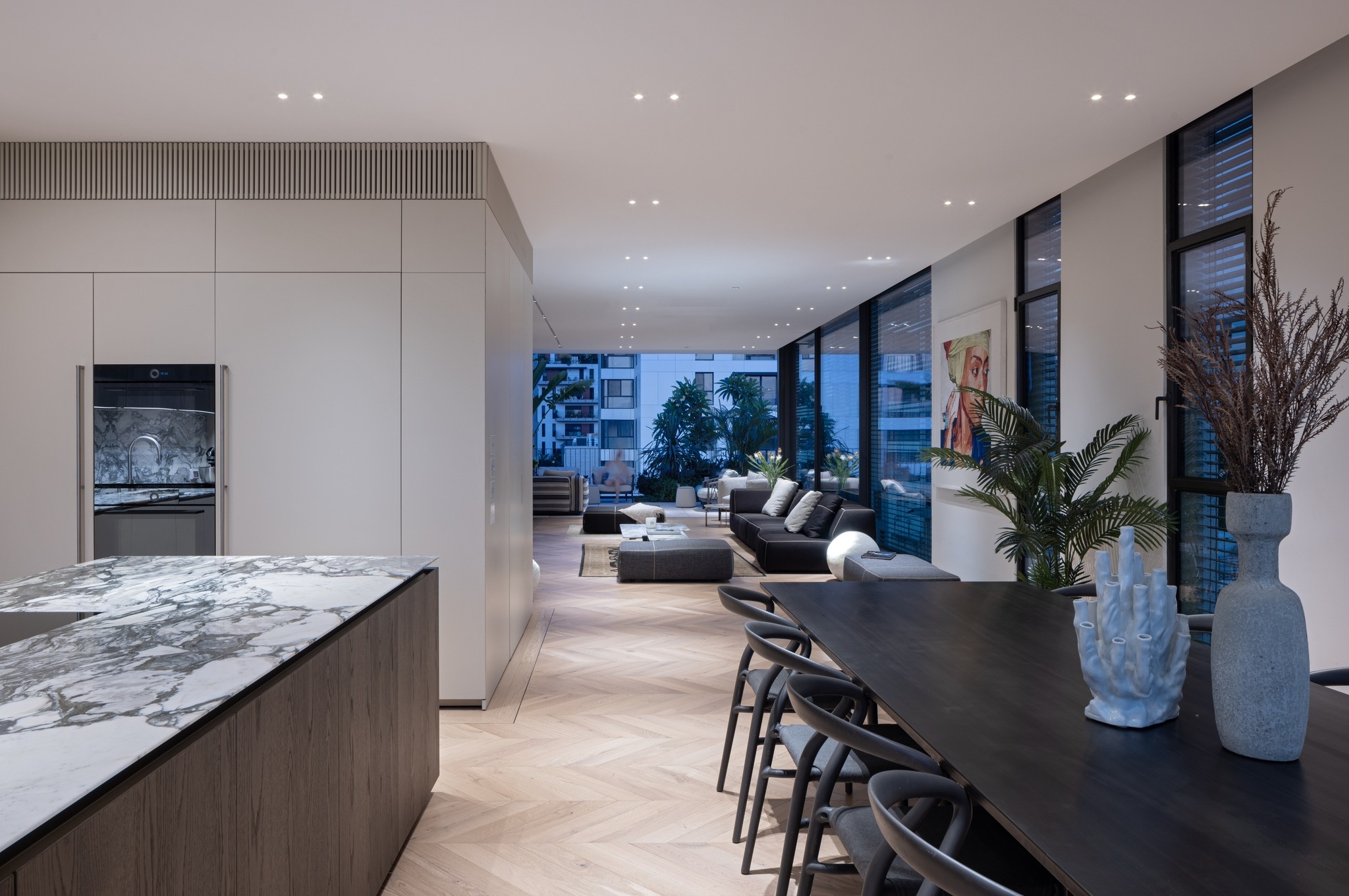
Modern commercial ceiling lighting installation showcasing minimalist recessed spotlights designed for glare-free, high-end illumination in a large commercial facility or showroom lobby.

Beyond the Bulb: A Modern Framework for Commercial Lighting

Before you evaluate individual commercial lighting fixtures, you need to see the whole system. Effective commercial illumination is never just about a brighter bulb. It is a carefully balanced mix of three layers: ambient, task, and accent lighting. Ambient light, typically from overhead panels or high bays, provides the uniform base. Task light, such as a pendant over a workstation or a focused beam on a checkout counter, supports specific activities. Accent light, often from track heads or wall washers, creates visual hierarchy and draws the eye toward featured merchandise or architectural details. A functional, productive space uses all three.

The technology inside those fixtures has fundamentally changed how we plan. LEDs have dissolved the old distinction between a replaceable lamp and its housing. Today, you are selecting a complete, integrated commercial LED lighting fixture—a single decision that defines both aesthetics and performance for a decade. The table below explains why LED is the only logical starting point for any serious project today.

LED vs. Traditional Sources

FeatureLEDFluorescentHID (Metal Halide / HPS)
Typical System EfficacyUp to 150 lm/W70-100 lm/W60-110 lm/W
Average Rated Life50,000 – 100,000 hrs15,000 – 30,000 hrs6,000 – 20,000 hrs
ControllabilityFully dimmable, instant on/off, sensor-readyLimited dimming, flicker, delayed restrikeLong warm-up, poor dimming
Color Quality (CRI)80-95+50-8520-65 (HPS) / 65-90 (MH)
Environmental ImpactNo mercury, recyclableContains mercuryContains mercury

This foundation positions you to assess the specific types of commercial lighting fixtures through the lens of the job they need to do, not just the shape they come in.

The Anatomy of a Fixture: 15 Key Types Explained by Application

The landscape of commercial lighting fixtures can feel daunting. Rather than simply listing products, we have organized the most common types by their primary function. This approach helps you quickly locate what you need and understand why a particular fixture suits a specific application.

For the Ceiling Grid: Downlights, Panels, and Recessed Lights

In offices, healthcare corridors, and educational facilities, the ceiling is a visual plane. Commercial lighting fixtures here must integrate cleanly into T-grid systems while delivering comfortable, glare-free illumination for screen-based work.

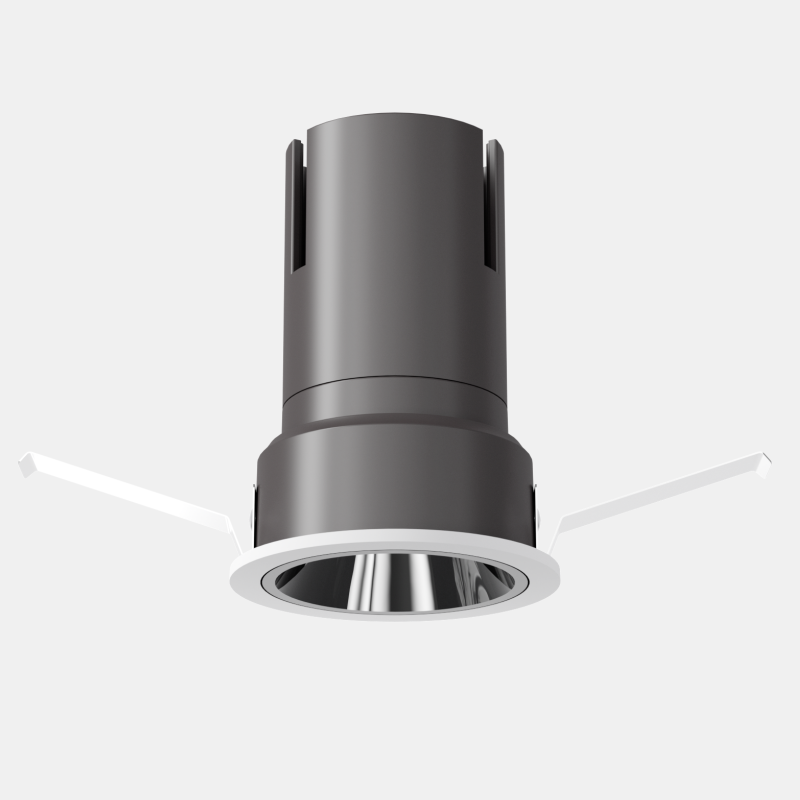
Versatile LED downlight providing focused illumination for modern commercial lighting projects in office corridors.

LED Downlight  provide localized focus in hallways, lobbies, or private meeting rooms. They deliver clean, unobtrusive accent or task light without adding visual clutter. For sloped ceilings or flexible aiming, specify a gimbal trim. A common mistake is spacing downlights too far apart, creating uneven pools of light instead of a smooth, continuous wash.

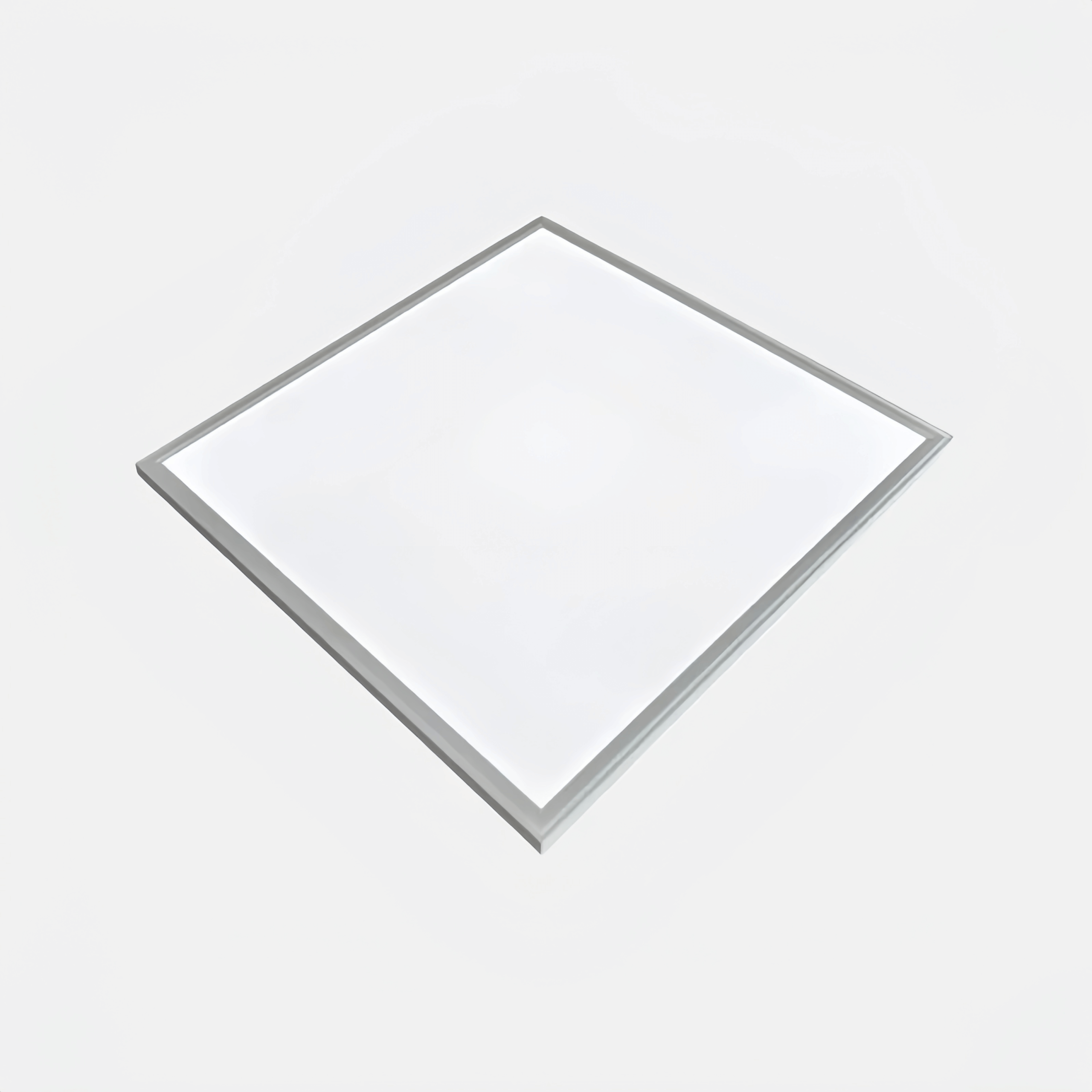
Sleek LED flat panel with a minimalist aesthetic, seamlessly integrating into commercial lighting grids for open-plan offices.

LED flat panels offer a sleek, minimalist aesthetic. Their smooth, frosted acrylic lens virtually disappears into the ceiling plane, making them the default choice for modern open-plan offices aiming for a clean, uncluttered look. Edge-lit panels deliver uniform illumination and are compatible with standard T-grid ceilings.

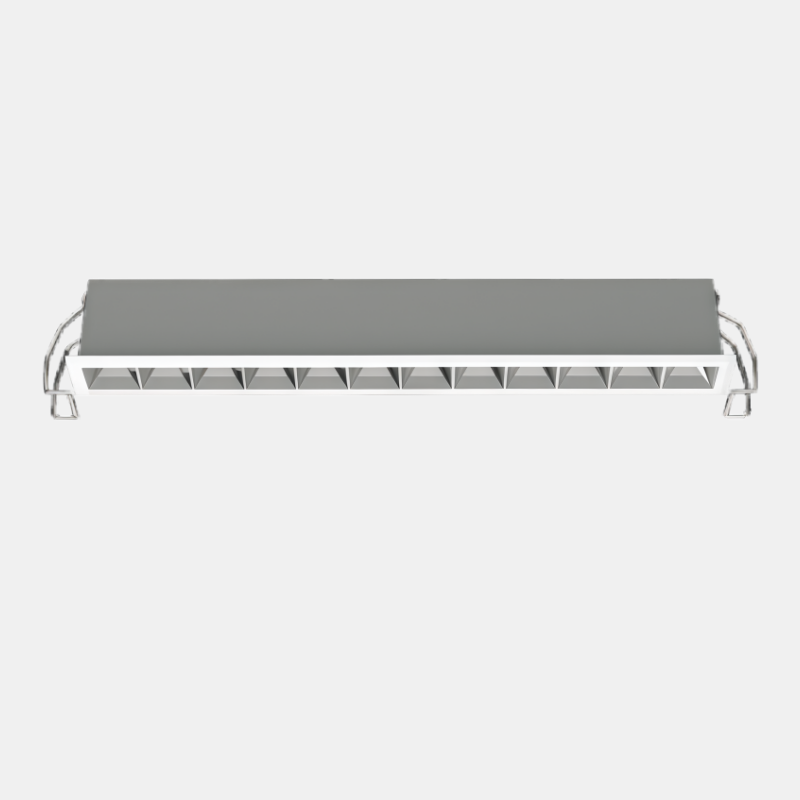
High-output recessed LED light featuring a deep anti-glare reflector for superior commercial lighting performance in office spaces.

Recessed LED Light combine a high-output LED source with deep anti-glare reflectors. They provide uniform illumination and significantly lower long-term energy consumption. These fixtures are often specified in upscale commercial interiors where visual comfort is non-negotiable—and where the budget allows for the deeper housing they require.

For Direction and Focus: Flexibility and Drama

When light needs to adapt or define a narrative, you turn to directional commercial lighting fixtures. They are the precision tools for storytelling in a space.

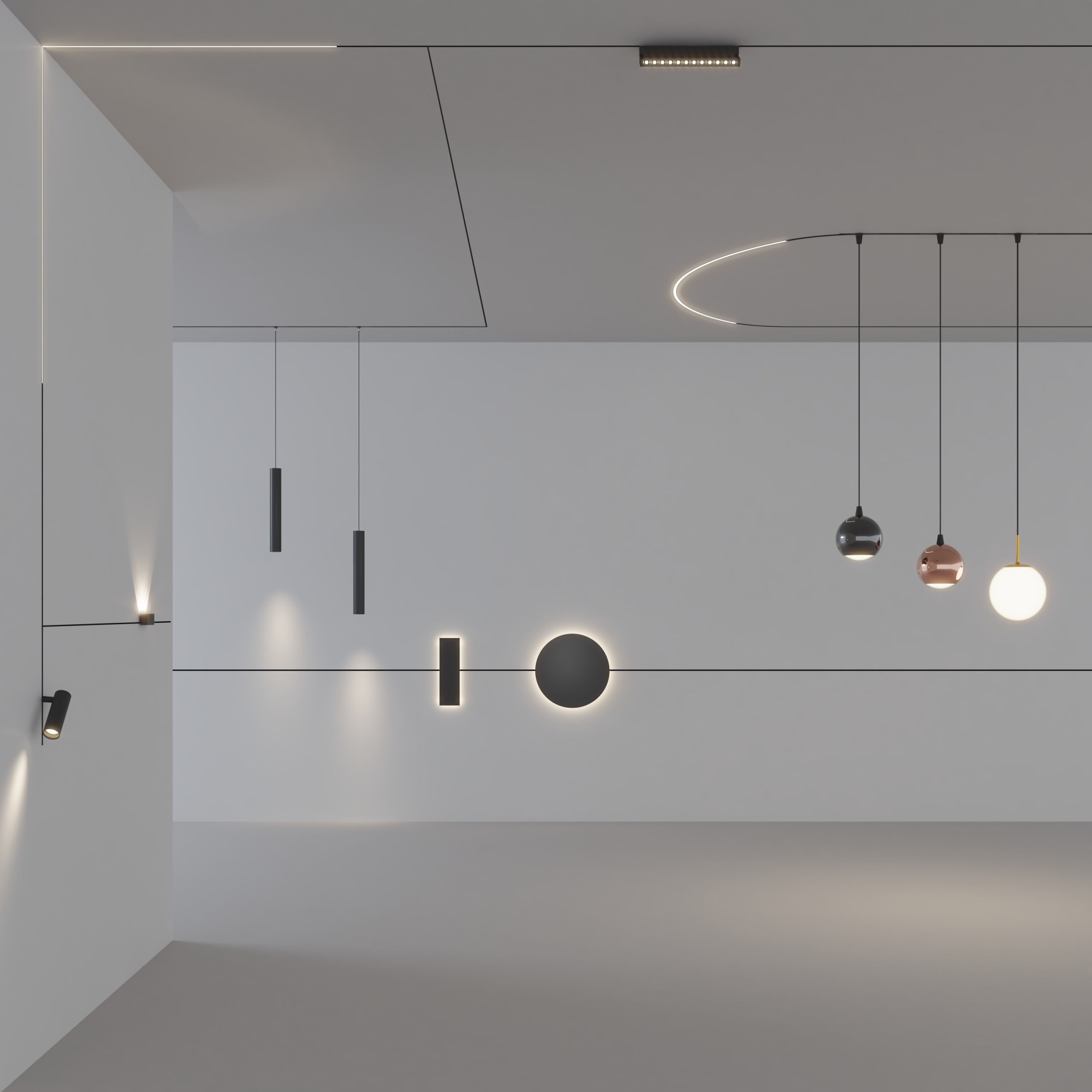
Modular track lighting fixture, a versatile commercial lighting choice that allows independent head pivoting for pinpoint accent illumination.

Track lighting prioritizes flexibility above all. Individual heads slide, pivot, and re-aim independently, making it the definitive solution for retail displays that change seasonally or gallery walls where artwork rotates. The key specification here is not just the fixture, but the track layout itself—plan the zones before counting heads.

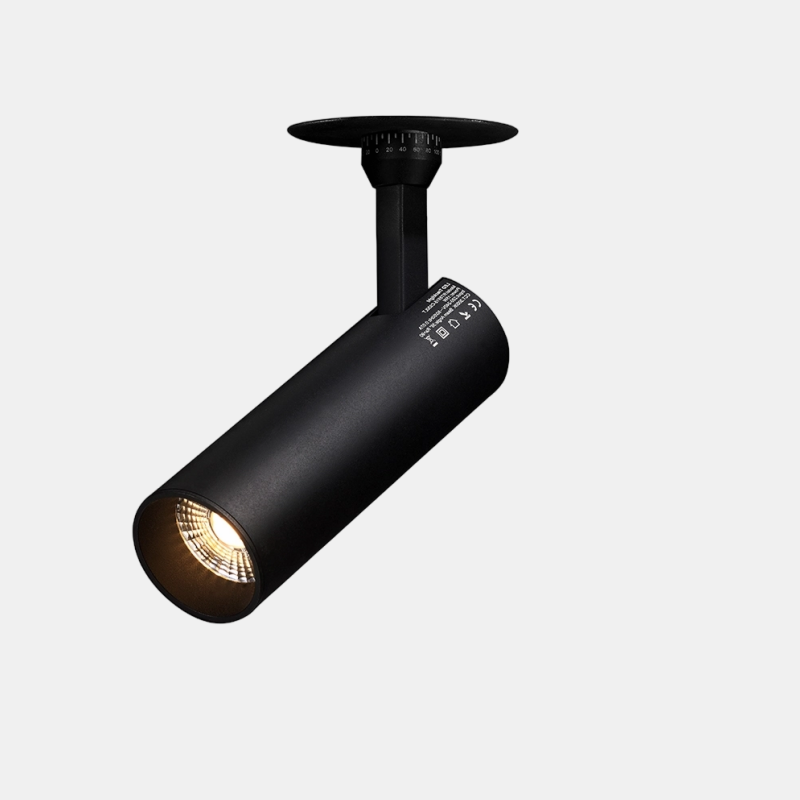
Dramatic LED recessed spotlight designed for high-end commercial lighting in boutiques, providing concentrated accent light for merchandise displays.

LED Recessed Spotlight create dramatic accent lighting with a narrow, focused beam angle. They draw attention to artwork, display shelves, or architectural features. These fixtures work best when you have a specific focal point to highlight; installing them without a clear target results in random bright spots on the floor.

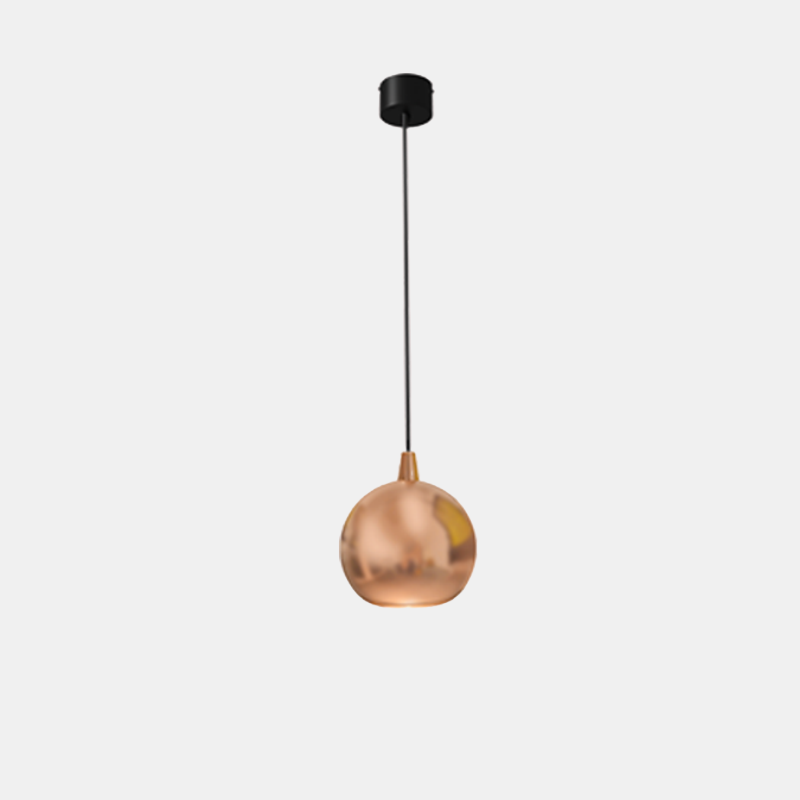
Stylish pendant lighting system that defines zones, bringing commercial lighting down to the human level in restaurants and meeting spaces.

Pendant lights hang from high ceilings to define a zone and bring light down to the human level. Over a restaurant table, they create intimacy. Over a long row of office workstations, a linear pendant system provides focused task light while making a strong contemporary design statement. Mounting height is everything here—too high and the intimacy is lost, too low and the fixture becomes a visual obstruction.

 Flexible Accents & Decorative Profiles

Not every solution is about general brightness. Directional flexibility and aesthetic details create functional, zone-based environments.

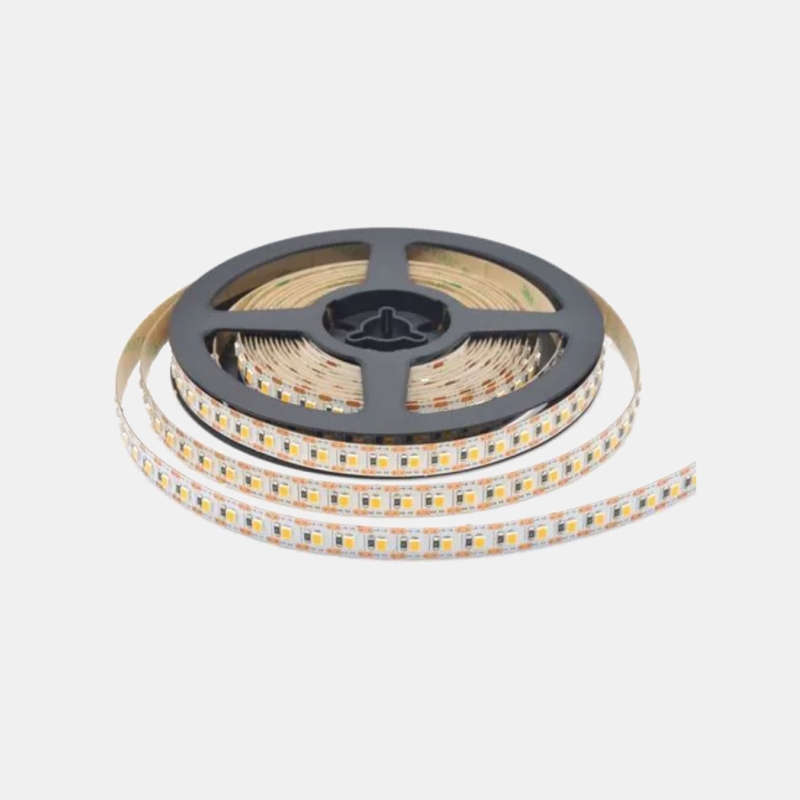
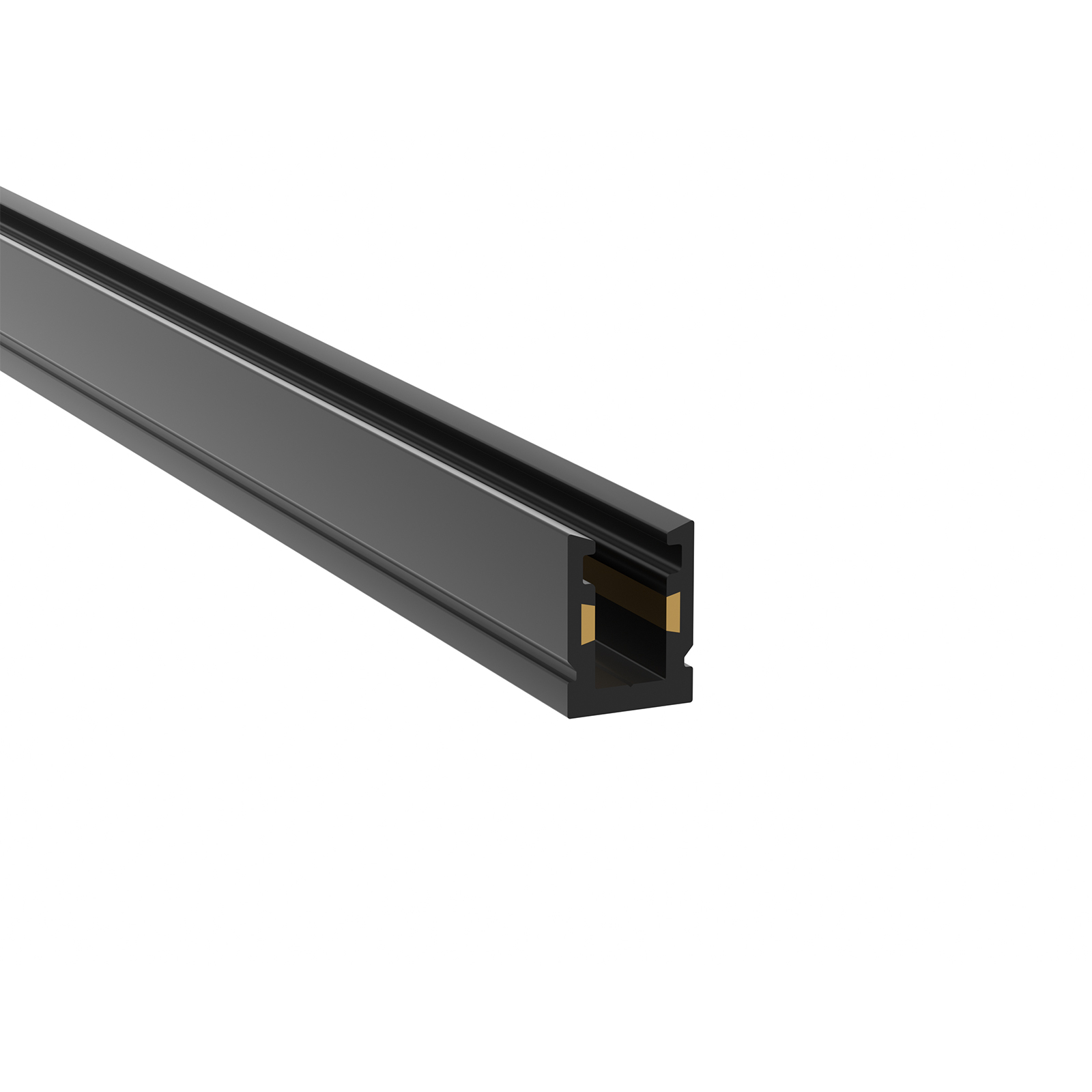
Flexible LED strip light continuously illuminating architectural details, a versatile commercial lighting solution for cove and under-cabinet applications.

LED Strip Lights are highly flexible continuous linear sources. Easily cut to length and installed in coves, under-cabinets, or behind architectural details, they create seamless ambient backlighting. They excel at indirect illumination, but their low lumen output per foot makes them unsuitable as a primary light source.

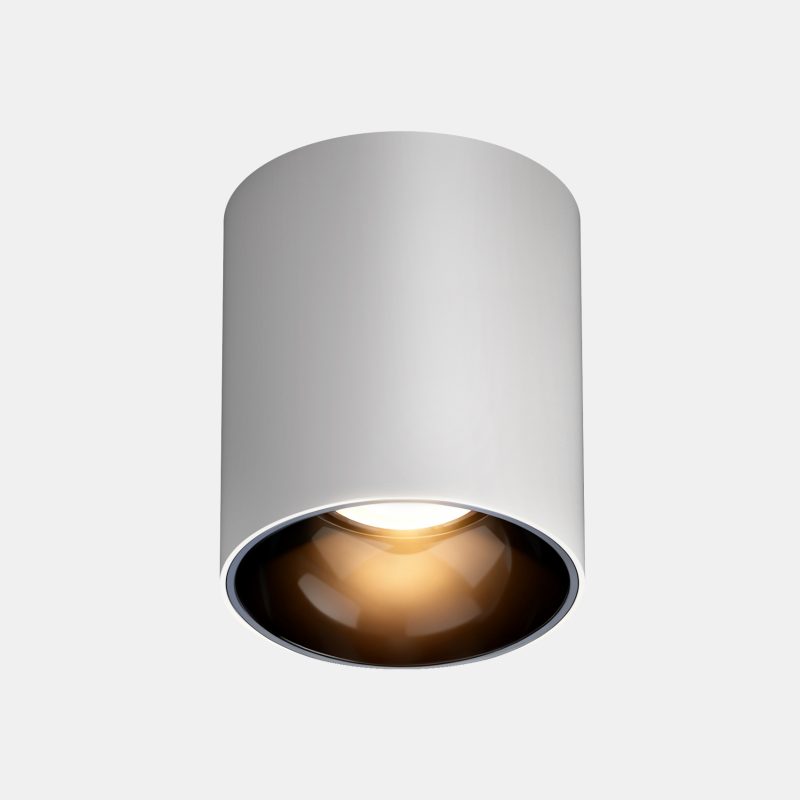
Direct-to-ceiling surface mounted downlight, providing a convenient commercial lighting solution for areas where recessed installation is unavailable.

Surface Mount Downlight solve a practical problem: spaces where recessed installation is not feasible, such as concrete ceilings or shallow plenum areas. These fixtures mount directly to the surface, delivering focused downward light with straightforward installation.

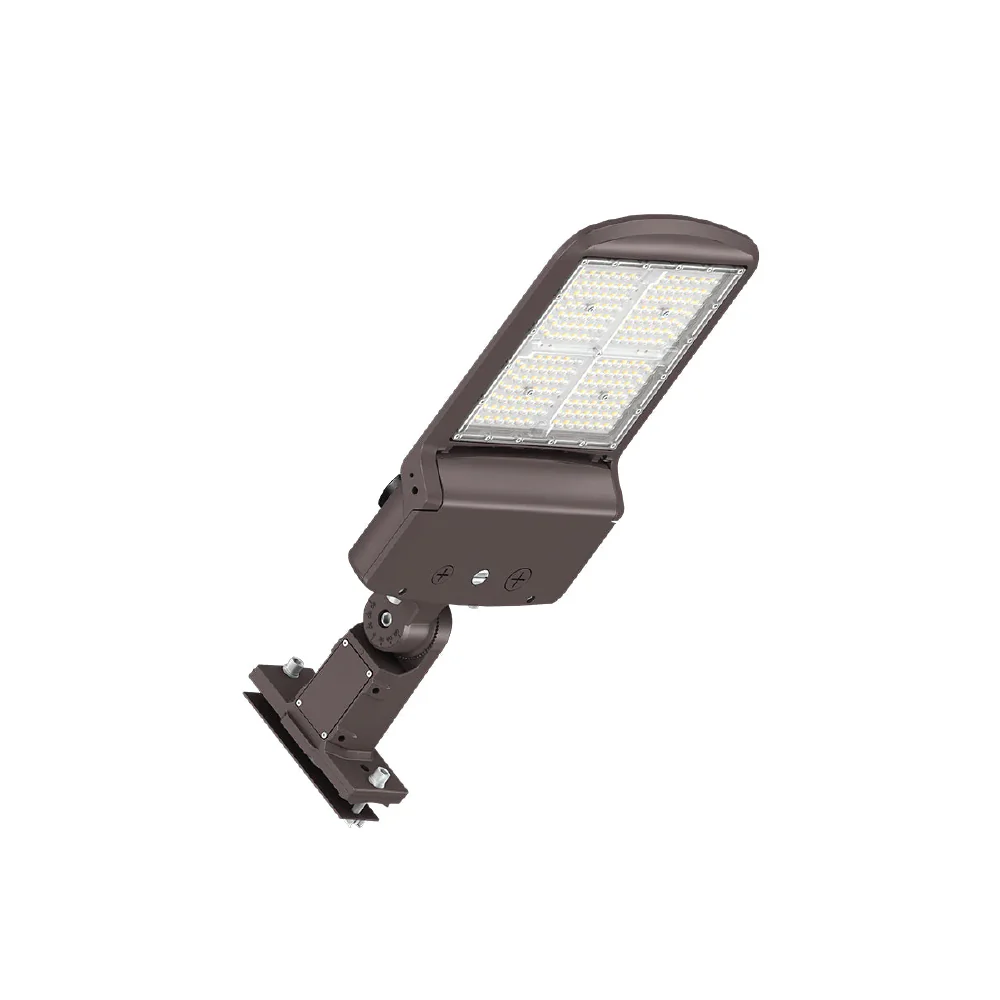
High-output outdoor area light engineered for wide-area security, ensuring safety and uniformity in commercial lighting for pedestrian plazas.

Area lights are the outdoor workhorses. Pole-mounted and often called shoebox lights, they wash large parking lots, streets, and pedestrian plazas with even illumination. Here, uniformity is more critical for safety than sheer brightness. A bright hot spot directly under the pole with darkness between creates a security vulnerability, not a solution.

For Perimeter and Security: Protection and Identity

Exterior fixtures are your first line of defense against liability and security breaches. They also define a building’s nighttime identity.

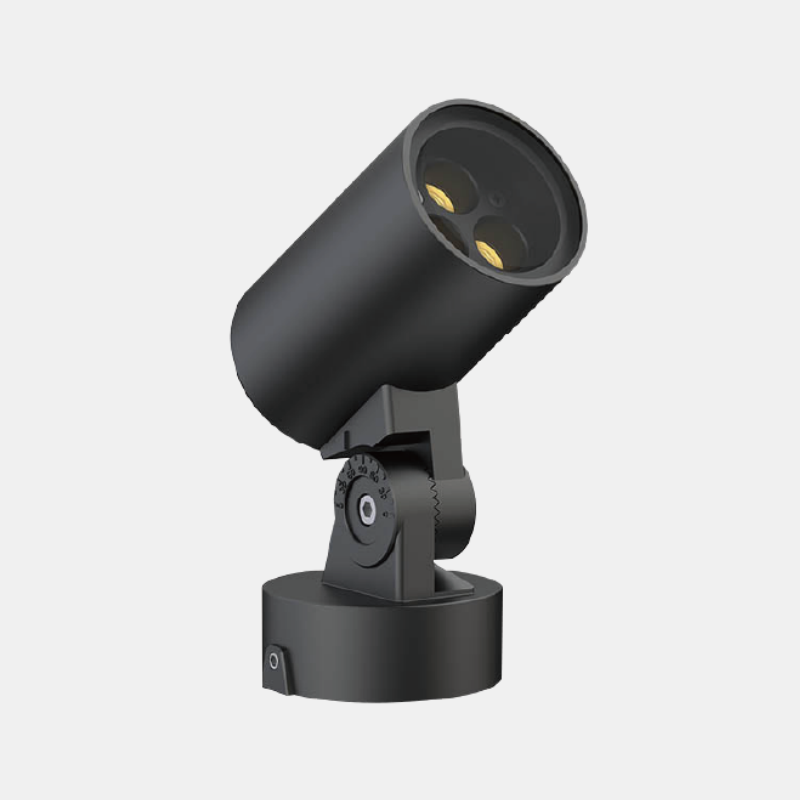
Outdoor landscape spotlight casting a focused beam to create depth, perfect for commercial lighting aesthetic accents in corporate campus landscapes.

Landscape Spotlight highlight architectural features, trees, and garden beds. By casting powerful, focused beams, they create depth and drama in hotel gardens and corporate campus lawns. The beam angle selection is critical—too wide and the feature is washed out, too narrow and you create a disconnected hot spot.

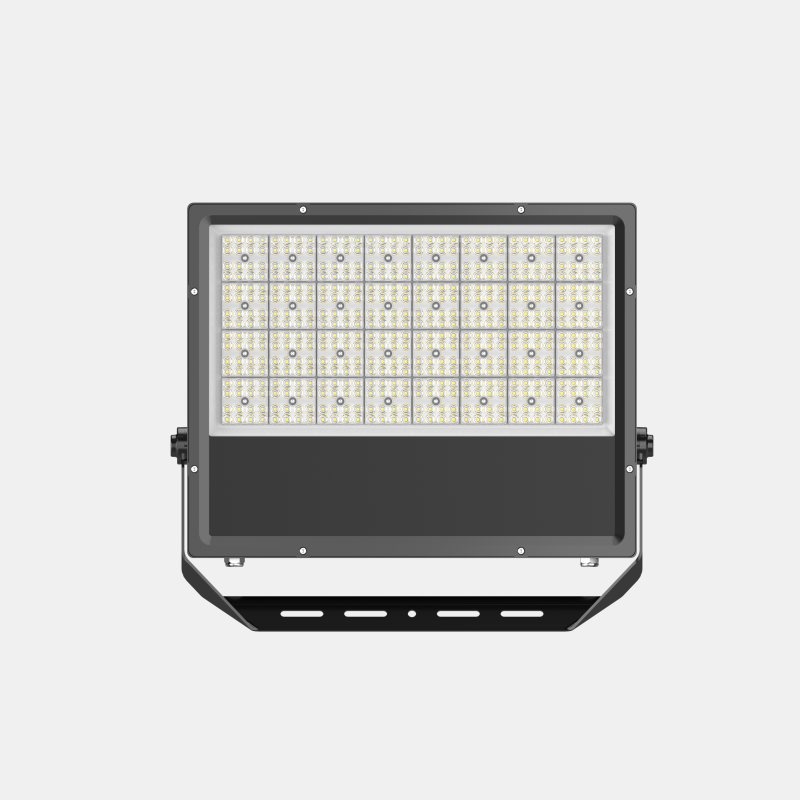
Heavy-hitter outdoor flood light delivering expansive bright illumination, essential for reliable commercial lighting in large-scale exterior applications.

Flood lights handle wide-area security, large-scale signage illumination, and sports fields. They combine high wattage with broad 60° to 120° beam angles to cover expansive areas from a single location. Their strength is coverage, not subtlety.

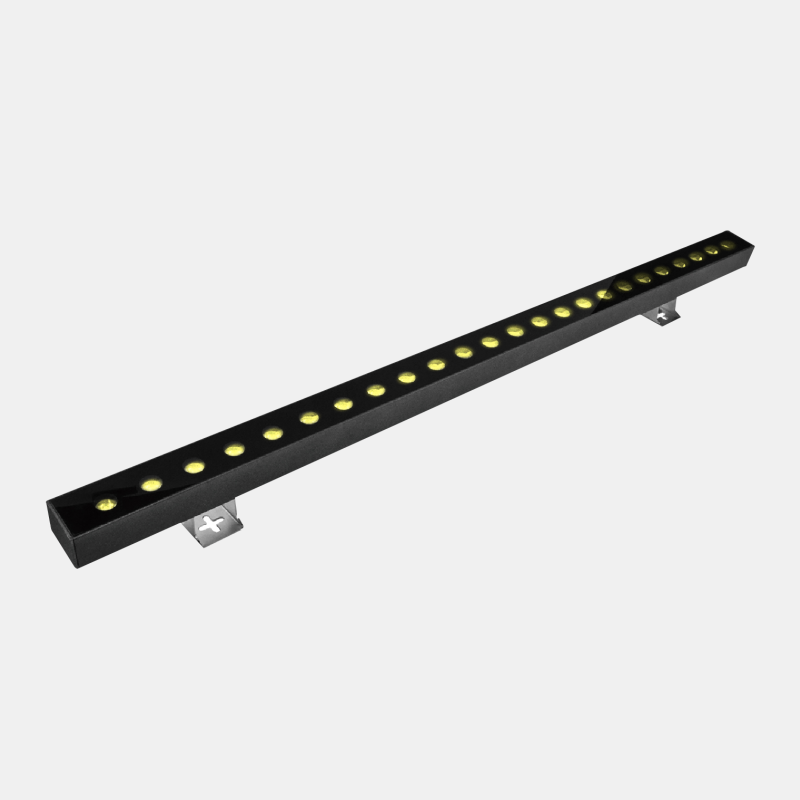
LED wall washer fixture designed to emphasize textured stone walls and brand elements, a vital architectural commercial lighting tool for commercial exteriors.

Wall Washer Light deliver a smooth, even wash of light across vertical surfaces such as building facades and commercial signage. They emphasize architectural textures and brand elements, creating impressive nighttime visual identities. Spacing and setback distance from the wall are the two parameters that determine whether a wall wash looks professional or patchy.

Specialty and Life-Safety Applications

Some projects demand highly targeted fixtures to solve specific architectural or regulatory challenges.

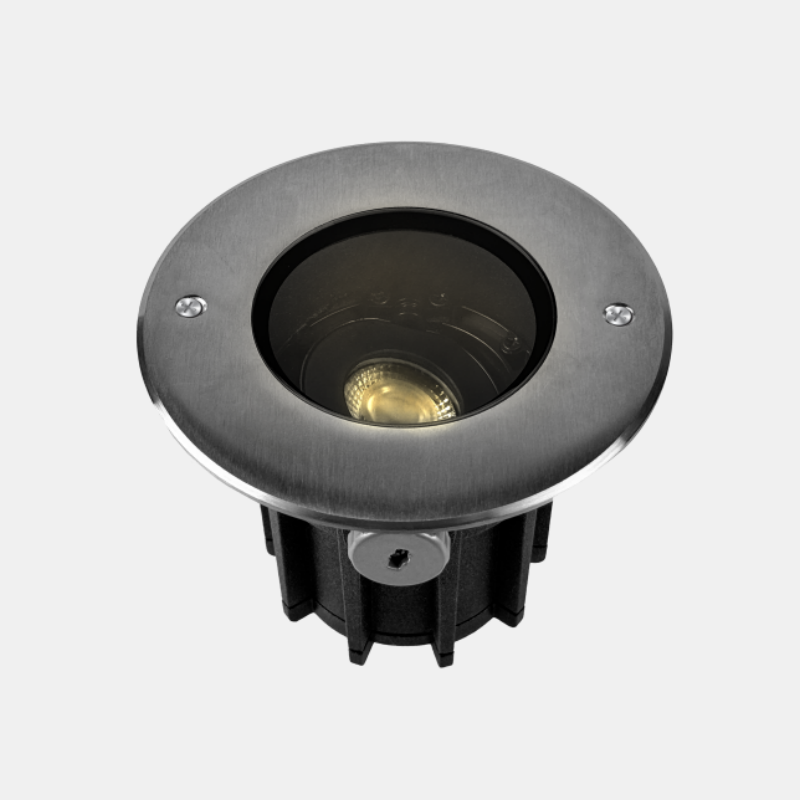
Flush-mounted inground light designed for driveways and plazas, offering low-level, unobtrusive guidance in modern commercial lighting landscapes.

Inground light sit flush with the ground level for outdoor pathways. Designed to be driven or walked over, these durable units provide low-level, unobtrusive guidance, achieving a sleek aesthetic where the light is visible but the fixture is not. Drainage is the most overlooked aspect of inground installation—without proper drainage, even IP67-rated fixtures will fail prematurely.

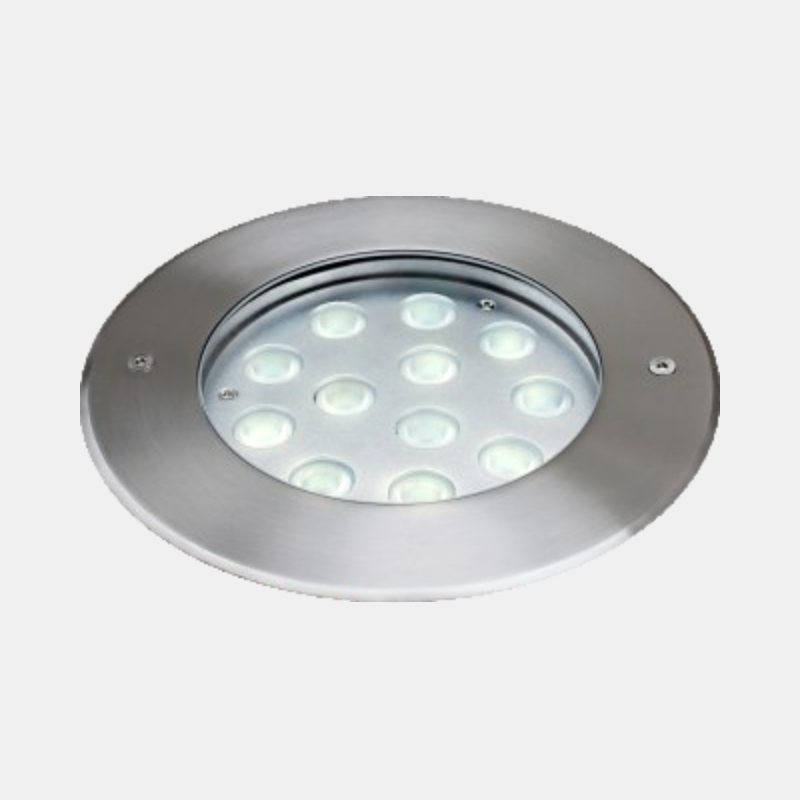
Submersible underwater light creating stunning visual focal points, an essential commercial lighting fixture for commercial water features after dark.

Underwater Light are engineered for submerged environments with a professional-grade IP68 waterproof rating. They deliver dynamic, colorful illumination in commercial fountains and water features, creating stunning visual focal points after dusk.

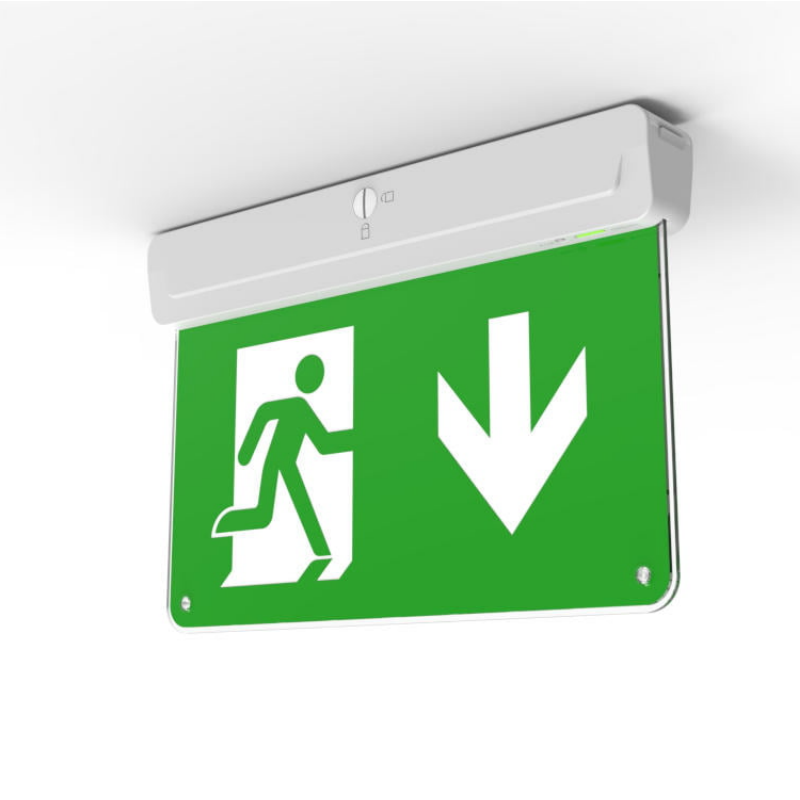
LED emergency and exit sign with a 90-minute backup runtime, a mandatory life-safety component for commercial lighting compliance.

Emergency and exit signs are a life-safety mandate, not an option. Building codes such as NFPA 101 and the International Building Code (IBC) mandate self-powered, clearly illuminated egress path markers with a minimum 90-minute backup runtime. Modern LED versions are low-maintenance and come in edge-lit architectural styles that blend into the design until they are critically needed.

Lighting by Space: A Scenario-Based Selection Matrix

Now, the most critical shift in your planning: stop thinking in terms of individual commercial lighting fixtures and start thinking about the specific operational and experiential goals of your business space. This section is your direct, actionable blueprint.

Office Environments: Productivity and Comfort

Per the Illuminating Engineering Society (IES) recommendations, particularly IES RP-1 for office lighting, the modern commercial office is a screen-dominated visual task environment where glare is the primary enemy of productivity. Your specification must be quantitative.

Recommended fixture mix: LED flat panels or volumetric troffers for uniform ambient light, supplemented by linear pendant lights over collaborative zones.

Key parameters to specify:

Correlated Color Temperature (CCT)

3500K to 4000K. This range provides a neutral, alert atmosphere conducive to focus without the harsh blue-white industrial cast of 5000K.

Unified Glare Rating (UGR)

Must be kept below 19, as recommended by the IES for open-plan offices. This is the single most overlooked metric in office design and the primary cause of the afternoon headache scenario. Anything above 19 creates measurable discomfort and screen reflection issues.

Average Illuminance

Target a maintained level of 300–500 lux on the task plane for general office duties, in line with IES recommendations.

Application example: An open-plan commercial office uses continuous runs of 4000K linear pendants to define circulation paths. In the main work areas, 2×2 flat panels maintain an even 450 lux with a specified UGR of 16, virtually eliminating screen glare. We have seen this configuration transform employee comfort scores in multiple corporate headquarters projects.

Industrial and Logistics: Safety and Efficiency

In a warehouse, distribution center, or manufacturing floor, an unlit shadow can conceal a lethal hazard. Function dominates form, and lighting is a critical component of the safety system.

Recommended fixture mix: Round LED high bays or linear high bays, paired with integrated occupancy and vacancy sensors.

Key parameters to specify:

Lumen Output

Prioritize system efficacy (lumens per watt). A 150 lm/W fixture reduces energy cost and pays for itself faster than a lower-efficacy alternative.

Ingress Protection

Specify IP65 as an absolute minimum for environments with dust, debris, or occasional moisture. Where forklift traffic is present, look for IK08 or higher impact rating to prevent fixture damage and falling debris hazards.

Instant-On Capability

This is a non-negotiable safety feature. Unlike legacy HID that requires a dangerous minutes-long restrike after a voltage dip, LEDs return to full output instantly.

Application example: A 30-foot-high distribution center uses 150W LED high bay fixtures on a 20×20-foot spacing grid. Integrated microwave occupancy sensors dim the lights to 20% when aisles are unoccupied, adding an incremental 40% energy reduction beyond the baseline LED savings.

Retail and Hospitality: Atmosphere and Sales

In retail and hospitality settings, lighting is a direct revenue influencer, impacting perceived product value and average customer dwell time.

Recommended fixture mix: Adjustable track heads for general ambient flexibility, directional spotlights on feature displays, and decorative pendants for zone definition.

Key parameters to specify:

Color Rendering Index (CRI)

If your budget allows, a CRI of 90 or higher is strongly recommended. High CRI makes clothing textures pop, food appear fresh, and jewelry sparkle. At CRI 80, those same products look flat and desaturated. If budget is tight, prioritize high-CRI fixtures specifically over premium product display zones.

CCT and Dimming

Use warm white (2700K–3000K) combined with smooth, warm-dimming LED drivers that mimic the glow of halogen as lights are lowered. This creates a luxurious, inviting ambience.

Application example: A high-end boutique uses 3000K track heads with CRI 95 to wash a new-arrivals wall. A tight 15° spot beam on the central mannequin creates dramatic, high-contrast focus, while 2700K dimmed pendants over the cash wrap invite relaxed conversations.

Outdoor and Parking Facilities: Security and Visibility

A person’s perception of safety is as critical as the measured light levels themselves. Effective outdoor design mitigates liability and creates a welcoming experience.

Recommended fixture mix: Shoebox-style area lights for the parking field, full cut-off wall packs for building perimeters, and bollards for pedestrian path delineation.

Key parameters to specify:

Uniformity Ratio (avg/min)

Target 3:1 or better, as recommended by IES RP-20 for parking facilities. A lot with a bright hot spot directly under the pole but darkness between poles is a security failure, regardless of how many lumens you installed.

Light Distribution Type

Type III for general lots, Type IV for perimeter roadways, Type V for large open areas requiring 360° coverage.

Dark Sky Compliance

All specified fixtures must be full cut-off, projecting zero light above 90 degrees, to meet model lighting ordinances.

Application example: A corporate campus parking lot uses Type III LED area lights on 25-foot steel poles, achieving an average 2 footcandles with a 3:1 uniformity ratio. This design eliminates dark vehicle corners where incidents typically occur.

The Path to a Successful Project: From Specification to Execution

You have a functional blueprint. Now we move into the critical execution phase. Selecting the right commercial lighting fixtures is only half the job; detailing how they will be controlled and building the financial case to get the project approved is what transforms a plan into a reality.

Decoding Specifications: CCT, CRI, Lumens and IP Ratings Made Simple

Do not let the alphabet soup of lighting specifications intimidate you. Use these quick-reference tables when reviewing any cut sheet.

CCT (Correlated Color Temperature) Quick Guide

ApplicationRecommended CCTAtmosphere Created
Hospitality, Fine Dining2700KIntimate, warm, relaxing
Retail, Boutique3000KWelcoming, flattering
Office, School, Healthcare3500K–4000KClean, focused, natural
Industrial, Warehouse, Hospital4000K–5000KAlert, high-contrast, precise

CRI (Color Rendering Index) Quick Guide

CRI ValueQuality LevelAppropriate Use
>95ExcellentHigh-end retail, art galleries, medical exam
90–95Very GoodRetail, showrooms, hospitality
80–89GoodGeneral office, corridors, warehouse
<80Not RecommendedAny commercial application

IP (Ingress Protection) Rating Quick Guide

RatingProtection LevelSuitable Environment
IP20Basic indoorClean, dry office ceilings
IP44Splash-proofCovered outdoor areas, bathrooms
IP65Dust-tight, jet-proofWarehouses, exterior walls, parking
IP66Dust-tight, powerful jet-proofHeavy washdown areas, food processing

Smartening Up: A Practical Guide to Lighting Controls

Do not over-engineer at the start. Begin with the operational outcome you need and move up the complexity ladder one deliberate step at a time.

Step 1: Occupancy and Vacancy Sensors

This offers the single fastest and most easily demonstrated ROI in lighting. Install them in warehouses, private offices, break rooms, and corridors. Lights turn on when you enter and off when you leave. No one has to remember a switch, and you immediately stop illuminating empty spaces.

Step 2: Daylight Harvesting

If your space has windows or skylights, photocells measure incoming daylight and automatically dim the perimeter fixtures to maintain a constant, comfortable light level on the work surface. These savings are completely additional to what the LEDs already provide.

Step 3: Networked Controls

For large office floors or multi-building campuses, protocols like 0-10V and DALI give facility managers the power to zone, schedule, and remotely monitor the entire system from a single dashboard. A tenant fit-out can be completely rezoned without touching a single wire.

Step 4: IoT and Data Analytics

The ceiling grid becomes a real-time data platform. Sensors within fixtures anonymously track space utilization patterns, helping you right-size your commercial real estate footprint. This is a value proposition that extends far beyond lighting and into the core of business operations.

Show Me the Money: How to Calculate the ROI of an LED Upgrade

Stop guessing at the value. Here is a simplified, defensible model to build your internal business case.

Simple Annual ROI Formula:
Net Annual Savings = (Old Annual Electricity Cost – New Annual Electricity Cost) + Annual Maintenance Savings
Payback Period (Years) = Total Project Cost / Net Annual Savings

Assumption: Model uses a national average commercial electricity rate of $0.12/kWh and assumes 60 hours of operation per week. Adjust with your local utility rate for precise results.

Real-World Scenario: 100,000 sq. ft. Commercial Warehouse

Before: 400W Metal Halide high bay fixtures (including ballast draw). Annual electricity cost: $48,000. Annual lamp and ballast replacement costs: $4,000.

After: 150W LED high bay fixtures. Annual electricity cost: $18,000. Maintenance costs: negligible for the first 5 years.

Net Annual Savings: $48,000 – $18,000 + $4,000 = $34,000

Total Project Cost (fixtures + installation): $65,000

Payback Period: $65,000 / $34,000 ≈ 1.9 years

After just under two years, the system generates pure, positive cash flow. Over the 10-year rated life of these fixtures, the net savings exceed a quarter of a million dollars. This is the straightforward, defensible math that convinces CFOs to approve a lighting upgrade.

The Future is Bright: Trends Shaping Commercial Lighting

Your fixtures will likely be in service for a decade or more. Ensure your specification and project plan are ready for the trajectory the industry is on.

Human-Centric Lighting

A growing body of research in chronobiology strongly suggests that the intensity and spectrum of light directly regulate human circadian rhythms and alertness. Expect to see more offices and healthcare environments dynamically shifting from a cooler, energizing 4000K-5000K in the morning to a warmer, relaxing 3000K in the afternoon, all programmed automatically and imperceptibly.

IoT and Advanced Analytics

Luminaires with embedded sensors are evolving into invisible, ubiquitous building management nodes. They map how people and assets move through a facility, anonymously monitor environmental conditions, and integrate with HVAC and BMS systems. Your lighting infrastructure is quietly becoming the backbone of a truly smart, responsive building.

FAQ About Commercial Lighting Fixtures

What is the best type of lighting for a warehouse with 30-foot ceilings?

For a 30-foot ceiling height, a round or linear LED high bay fixture is your primary tool. Look for system efficacy above 130 lm/W, a narrow to medium beam distribution to drive light to the floor, and an IP65 rating if the environment is dusty or semi-conditioned. Integrated occupancy sensors will substantially maximize your operational energy savings.

How much can I really save by switching to LED lighting?

A typical retrofit reduces lighting-related electricity consumption by 50% to 75%. When you factor in the elimination of lamp, ballast, and labor for spot-replacement costs, total operational savings often pay back the initial investment in under three years. Use the ROI model above with your local utility rates for a specific projection.

What is the difference between CRI and CCT, and which one matters more?

CCT (Kelvin) describes the color appearance of the light itself; CRI (indexed 0-100) describes how accurately that light renders colors of objects it illuminates. Neither is universally more important. A factory may prioritize 5000K CCT and accept CRI 80, while a clothing boutique requires CRI 90+.

Are LED retrofit kits worth it, or should I replace the whole fixture?

Retrofit kits are an excellent, cost-effective path when existing housings are sound and you want a fast, low-labor upgrade to LED quality. If housings are damaged, you need a new aesthetic, or you want integrated smart sensors that the old form factor cannot support, full fixture replacement is the better long-term investment.

What IP rating do I need for outdoor or wet location lights?

Under a deep protective eave, IP44 may suffice. For fixtures directly exposed to rain, snow, or hose-down cleaning, specify IP65 or IP66. IP66 ensures the fixture is fully dust-tight and can withstand powerful water jets.

What are DLC and Energy Star certifications, and why do they matter?

They are independent, third-party certifications that verify efficacy, lumen maintenance, and color quality. Most North American utility rebate programs strictly require DLC or Energy Star listing; specifying a non-listed product can disqualify your project from significant cash incentives.

How do I create a lighting plan for a small retail shop?

Start with a layer of warm ambient light (3000K panels or track). Add a high-CRI track or spot system to illuminate your feature product wall. Place a decorative pendant over the point of sale to create a focal point. The key principle is layering: ambient for walkways, accent for merchandise, and an anchor for the transaction zone.

Your Commercial Lighting Project Starts Now

Think about where you started—a list of commercial lighting fixtures. Now, you have something much more valuable: a standards-backed framework for evaluating technology, a space-by-space strategy for matching products to offices, warehouses, and retail spaces, and the financial  odel to back it all up. You are no longer just picking lights; you are planning a system that will define your facility’s performance for a decade.

Every project has unique constraints and goals. Let us build your lighting plan, spec it correctly, and get it installed right.

Ready to get started? Contact our solutions experts today for a free, no-obligation project assessment and a detailed quote tailored to your commercial facility’s exact requirements.

Send Inquiry:

0 + 5 = ?

©2022 Shenzhen KingWatt Opto-electronic Co., LTD. | All Rights Reserved | Designed by Nocti