Several Things You Need To Know About LED Track Lights
You have included LED track lighting in the candidate list for your next project—but now comes the more challenging part: selecting the appropriate number of circuit tracks (2/3/4 /6 circuit track lighting), choosing between line voltage and low voltage track lighting, determining whether to use an LED Spotlight(external driver or internal driver), and selecting the right dimming method (Dali dimming or 0-10V dimming). A wrong choice at any stage can lead to increased costs, compatibility issues, or lighting effects that do not meet the specifications.
This guide is specifically designed for lighting designer, contractor, and lighting engineer.
If you’d like to view the LED track lighting directly, click here to explore KWT’s commercial LED track light series.
What is LED Track Lighting?
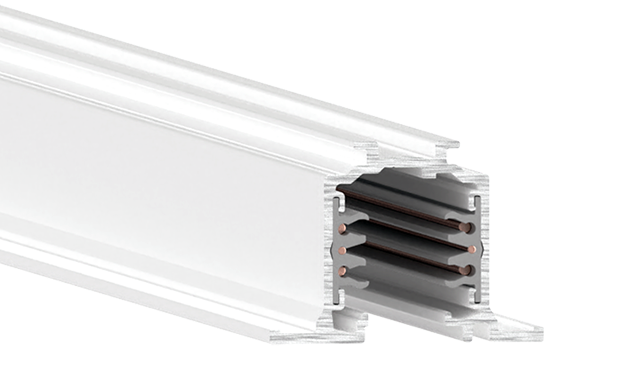
LED Track Lights feature mounted LED lights on rails (common types include A.A.G. Stucchi, Global Track Lighting, and Powergear ), with wiring for lighting activation and dimming control via DALI or 0-10V protocols. Compared to traditional track lights, LED Track Lights offer greater installation flexibility, enhanced energy efficiency, smarter functionality, and superior aesthetics, making them the ideal choice for modern commercial lighting applications.
A.A.G. Stucchi vs Global vs Powergear : Which LED Track Lighting System Right for Your Project?
| Brand | Country / Place of origin | Main LED Track Rail | Adapter Compatibility | IP | Who Is It Suitable For? |
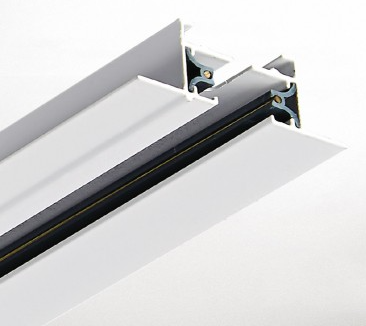
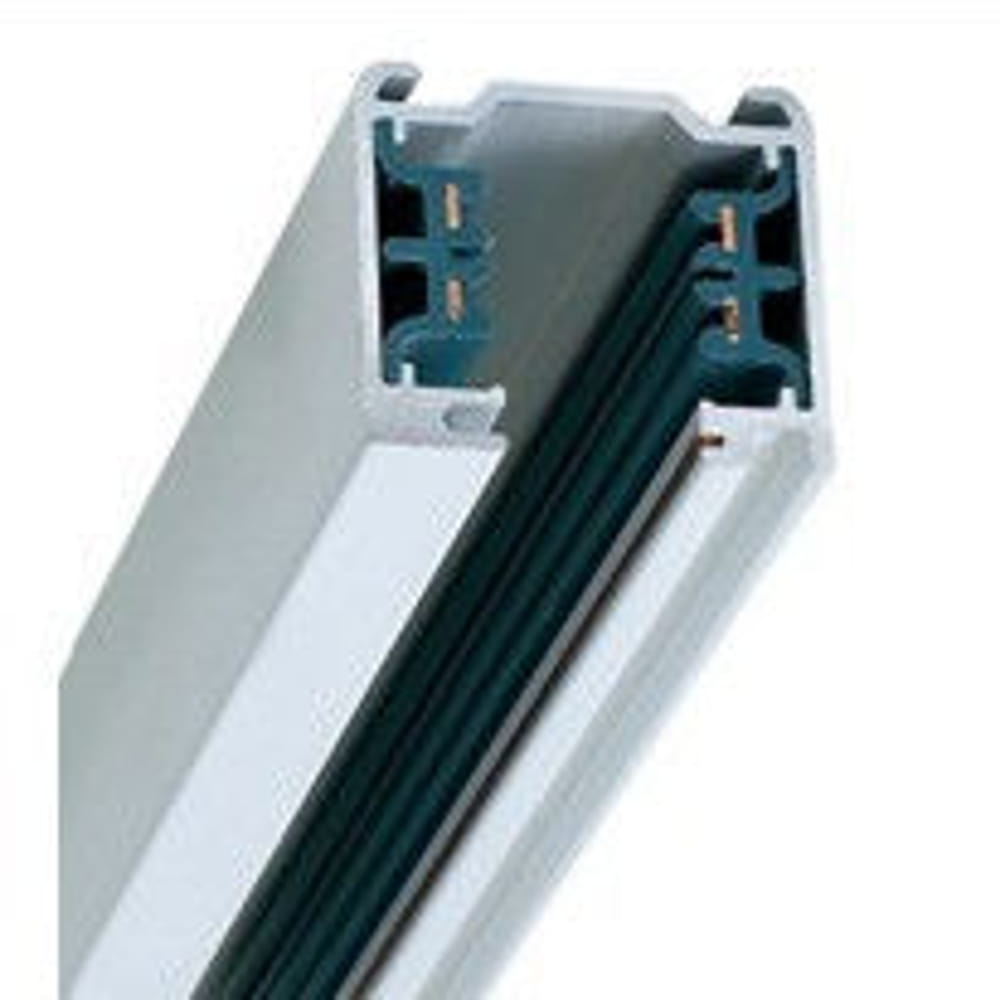
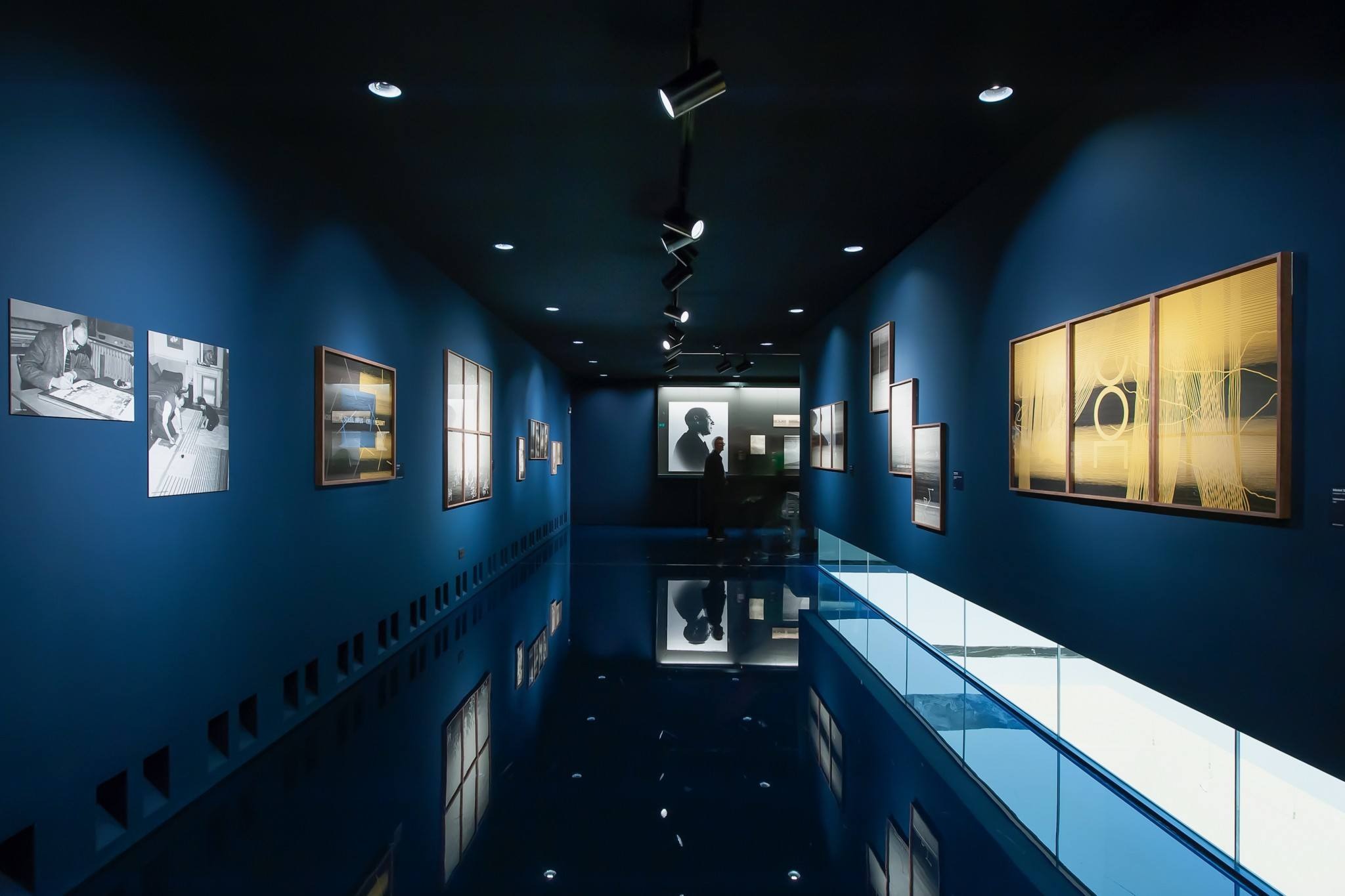
| A.A.G. Stucchi | Italy Made in Italy | 2 Wire 1 Phase Track 4 Wire 3 Phase Track 6 Wire 3 Phase Track | Stucchi Track | IP20–IP66 | Need Trimless recessed track, waterproof is the first choice. Suitable for museum track lighting / gallery track lighting / luxury hotel, etc. |
| Global Track | Finland Made in Finland | 3 Wire 1 Phase Track 4 Wire 2 Phase Track 5 Wire 3 Phase Track 7 Wire 3 Phase Track | Global Track | IP20–IP44 | Moderate budget – DMX dimming is the preferred choice. Suitable for retail stores, department stores, supermarkets, airports, public buildings, hospitals, restaurants, hotel lobbies, offices, and exhibition halls. |
| Powergear Track | Taiwan, China Make in China | 2 Wire 1 Phase track 3 Wire 1 Phase track 4 Wire 3 Phase track 6 Wire 3 Phase track 8 Wire 3 Phase track | Powergear Track / Stucchi Track / Global Track | IP20–IP44 | High cost-effectiveness, strong compatibility, and fast delivery times. Suitable for rail track lighting, hotel projects, and architectural lighting applications in North America. |
What is LED track lighting and how does it work?
The Basic Working Principle: Track, Rail, and Power Connection
An LED track lighting system mounts a continuously electrified rail to the ceiling. Each fixture head clips on at any point and connects instantly — no extra wiring at fixture level. Commercial LED track lights are available in surface, recessed, and suspended configurations to suit any ceiling type.
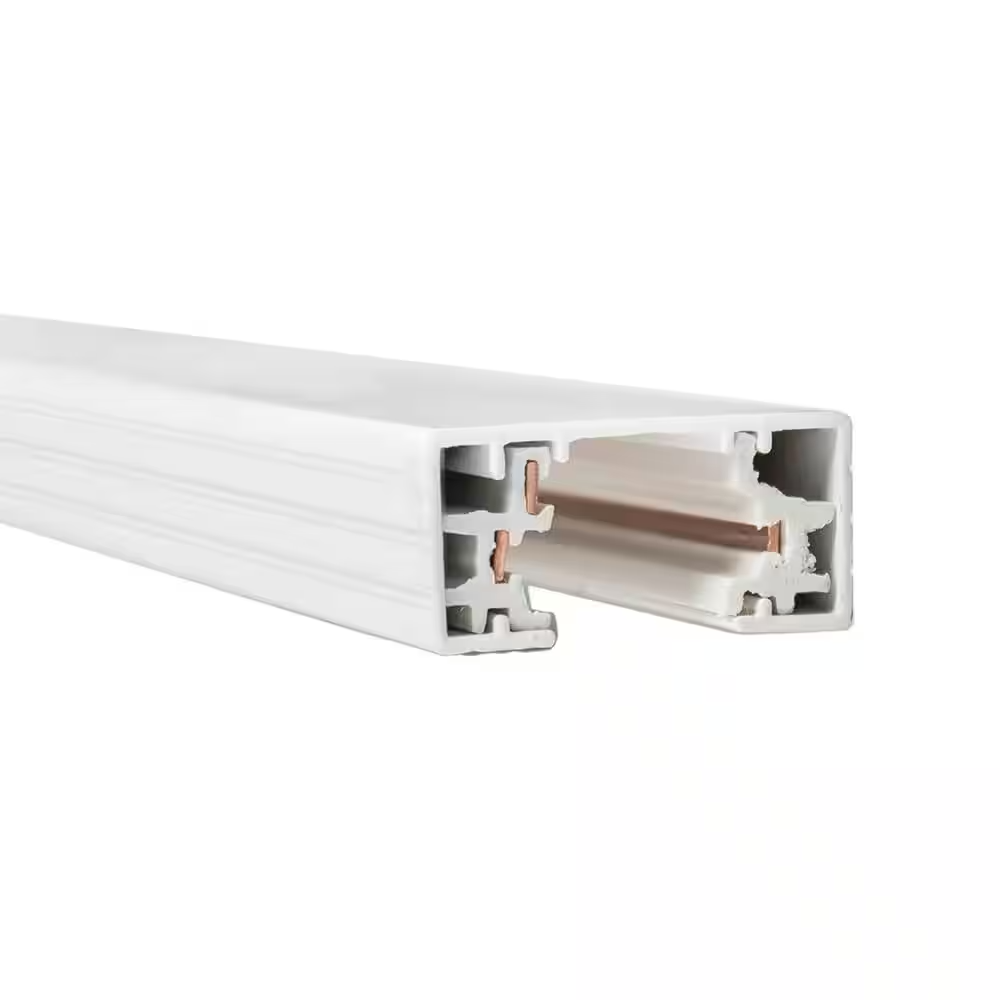
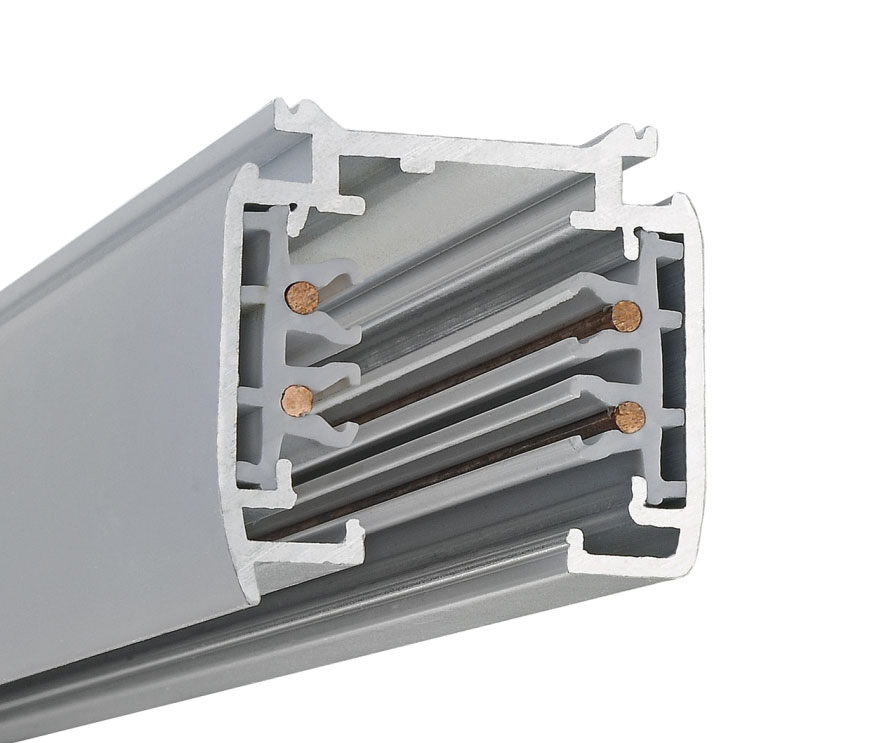
The conductor count determines zone control. A 3 wire 1 circuit rail carries Live, Neutral, and Earth — the standard for most commercial track lighting systems. A 4 wire 2 circuit rail adds a second live, enabling two switched zones on one track. The 6 wire 3 circuit rail supports three fully independent lighting zones on a single run — ideal for retail track lighting, gallery walls, and large suspended track lighting installations where scene control matters.
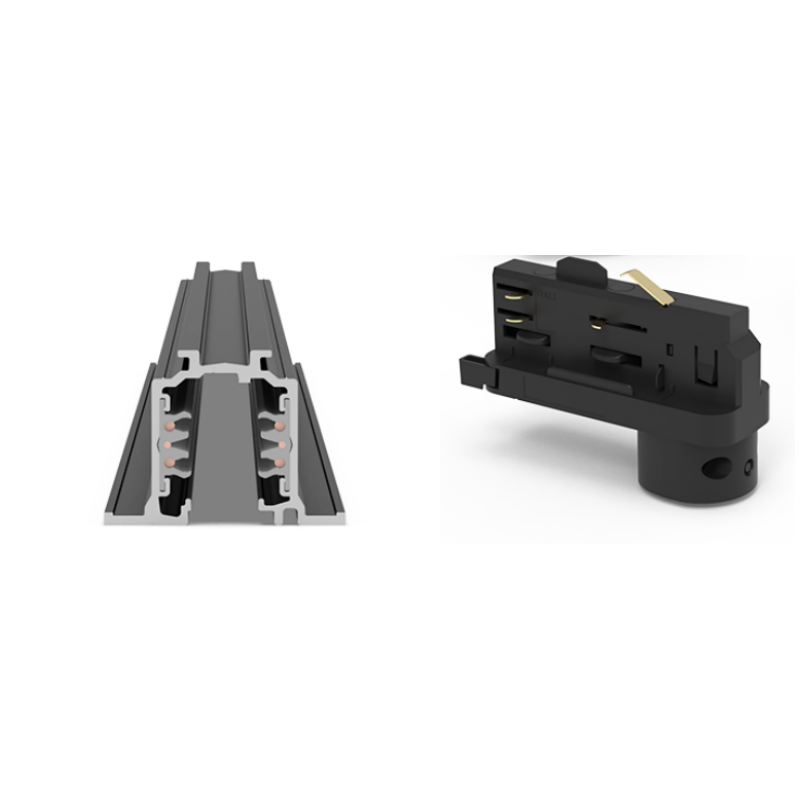
Inside a 6 wire 3 circuit LED track rail: six conductors power three independent zones. The track head locks in at any point — no extra wiring needed.
How Is LED Track Lighting Different from Fixed Ceiling Lights?
Fixed recessed downlights are locked in position the moment installation is complete. When a retail store reorganizes its floor for a new season, those downlights point at empty space. LED track lights solve this in three specific ways:
- Individual aim adjustment: Every adjustable track lighting fixture head pans, tilts, and rotates independently. Beam direction changes without touching the ceiling structure.
- Physical repositioning: Heads slide to any point along the rail. The entire lighting layout can follow a floor plan change without rewiring.
- Incremental expansion: Additional heads can be added to an existing commercial track lighting system at any time, within circuit load limits, without replanning conduit runs.
In practice: a clothing boutique that refreshes its display tables every quarter can redirect every track spotlight in the store in under an hour. The same change with fixed downlights requires an electrician and ceiling work. Read more in our guide: How to Plan a Retail Lighting Layout.
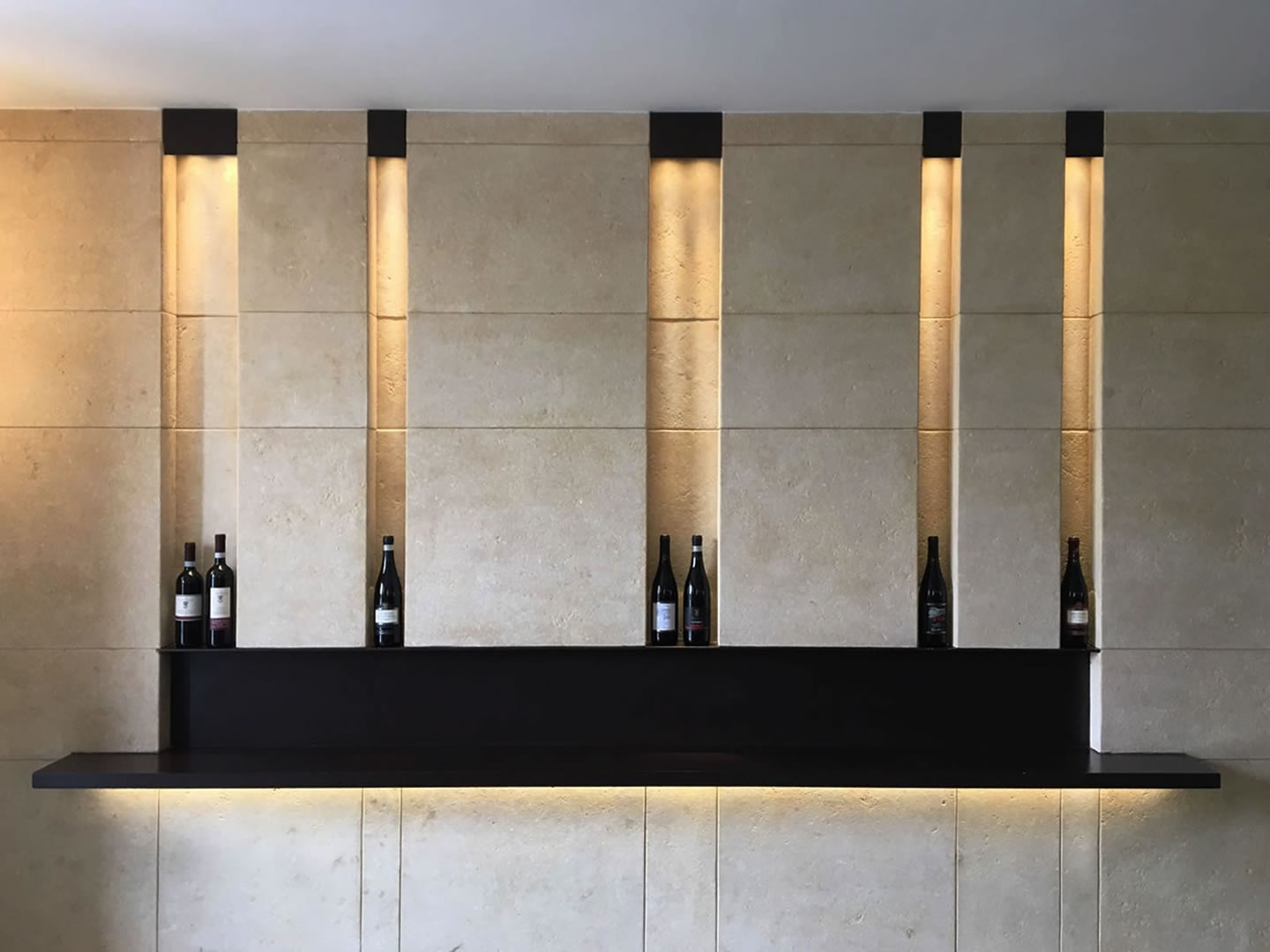
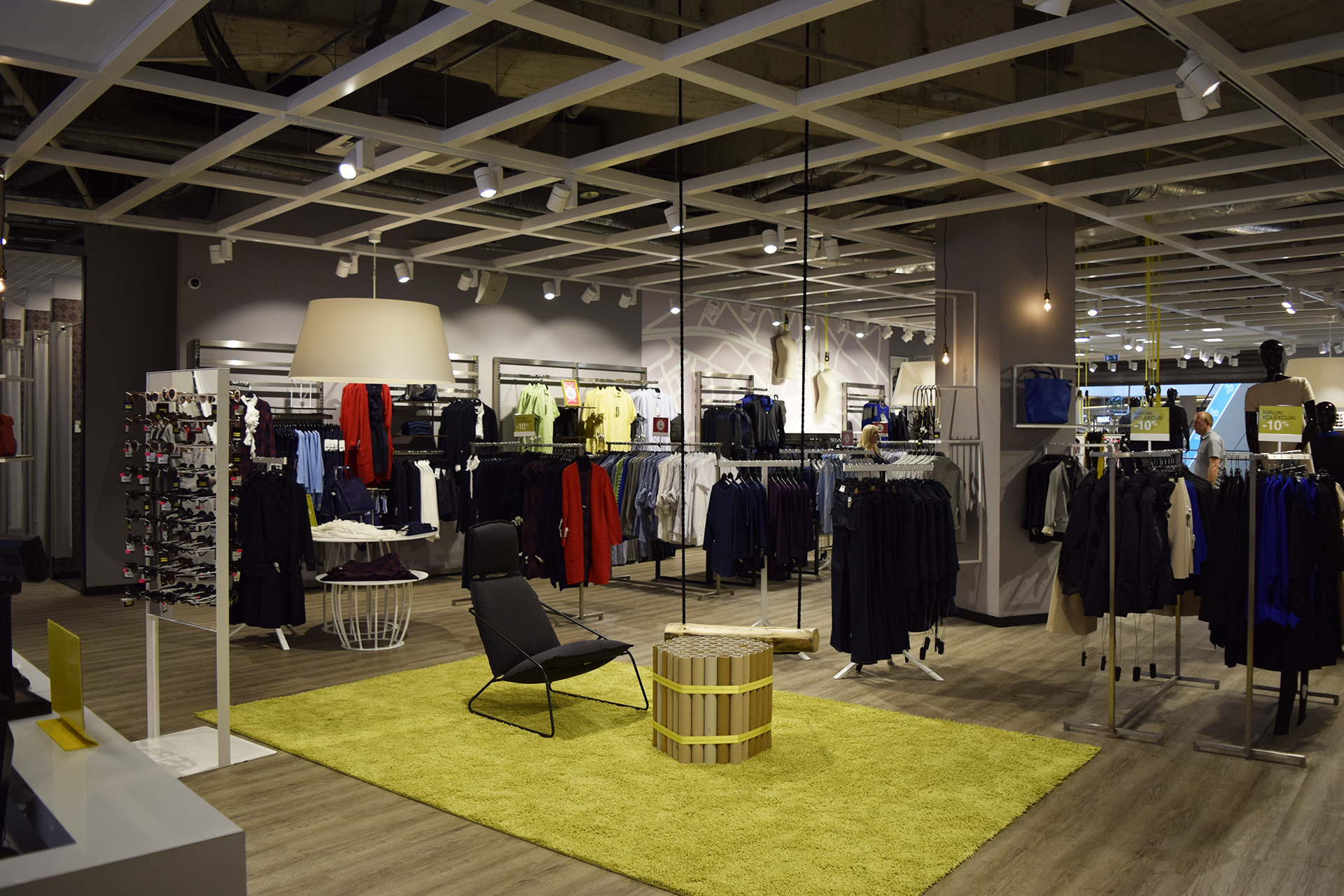
Fixed downlights stay where they are when the floor plan changes. LED track lights follow the merchandise.
What are the main types of track lights?
The track lighting system is available in two specifications: 110/220 VAC and low-voltage options of 12V, 24V, or 48V; featuring non-magnetic tracks and magnetic track rails (usually 24/48V); with choices including surface-mounted, recessed, suspended, and Up-down tracks.
| Track light type | Voltage | Wattage | CRI |
| COB track lightis | 110/220-240VAC 50/60Hz | 8 to 50W | Ra>80, 90, 97 |
| Magnetic track lights | 24VDC or 48VDC | 8 to 50W | Ra>80, 90, 97 |
| GU10 Track lights | 110/220-240VAC 50/60Hz | 3 to 10W | Ra>80, 90 |
| MR16 led track lights | 12VDC or 24VDC | 3 to 10W | Ra>80, 90 |
COB track lights and magnetic track lights are currently the preferred choice for commercial lighting applications. A single high-density chip integrated directly into the fixture delivers superior lumen output (8-50W), higher CRI, tighter beam control, and better thermal management than legacy GU10 or PAR formats. For any new commercial LED track lighting installation — retail, hospitality, office — COB is the default specification.
How do you choose Beam Angle, CRI, UGR, Color Temperature, and Driver?
Beam Angle — The Specification Most Buyers Get Wrong
LED track light beam angle is not a stylistic preference — it determines what gets lit and what stays in shadow. A 15° narrow spot at 3m mounting height produces approximately an 800mm illuminated circle at floor level — precise enough to isolate a single display object. The same fixture at 5m spreads to roughly 1,300mm. Beam angle and mounting height must be specified together.
A documented error seen repeatedly in museum projects: clients specify 50° flood fixtures for general coverage, only to find that the broad wash illuminates the adjacent wall as brightly as the artwork itself — eliminating the contrast that makes accent lighting effective. Fixtures replaced at additional cost.
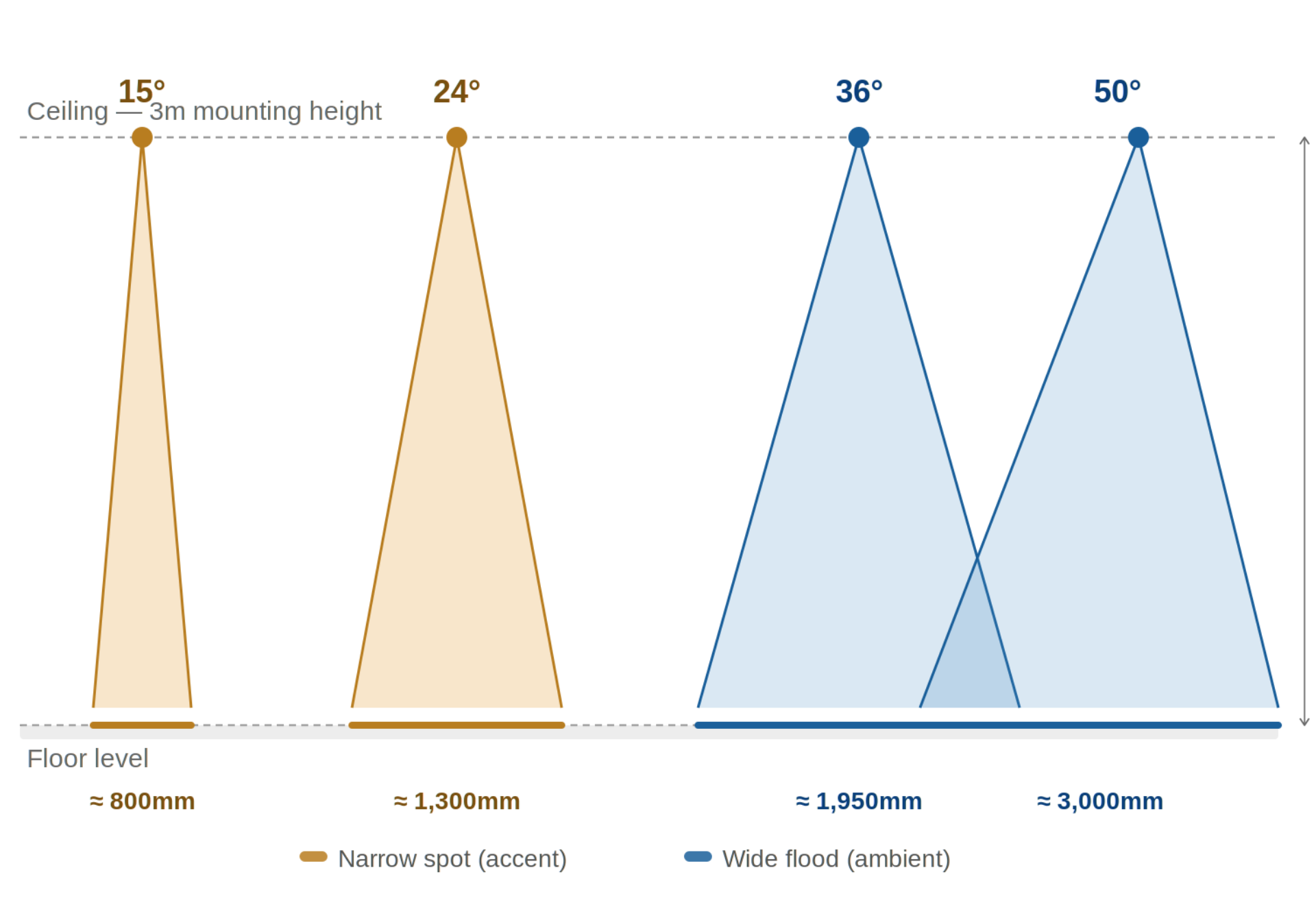
Beam angle at 3m: 15° produces an 800mm spot; 50° spreads to a 3,000mm wash. Always specify beam angle and mounting height together.
| Beam Angle | Circle Diameter at 3m | Recommended Application | Mounting Height |
| 15° | around 800mm | Jewelry, artwork, small display objects | 2.5 to 3.5m |
| 24° | around 1,300mm | Clothing display, shelf highlights, mannequins | 2.5 to 4m |
| 36° | around 2,000mm | General retail fill, reception desks, table surfaces | 2 to 3.5m |
| 50° | around 3,000mm | Ambient/general illumination, corridor wash | 2 to 3m |
CRI — Why It Matters for Retail and Museum Lighting
Under a CRI 80 light source, a red garment on a display rack appears muted and slightly brownish. Under a CRI 95 source, the same garment renders with full saturation. For clothing retail, cosmetics, and food display, that difference translates directly into purchase behavior.
- CRI 80: Sufficient for offices, warehouses, and back-of-house areas where color accuracy is not a commercial factor.
- CRI 90+: Minimum for any retail or hospitality space where product appearance influences customer decisions.
- CRI 95+: Required for fashion retail, fine jewelry, museum galleries, and food display.
Always request the R9 value separately. R9 measures deep red rendering. Many fixtures rated “CRI 90” have R9 below 20 — which means reds, skin tones, and warm-toned materials still render poorly. For retail and art applications, specify R9 ≥ 50 and request a laboratory test report to verify. Read more: Understanding CRI and R9 for Commercial Retail Lighting.
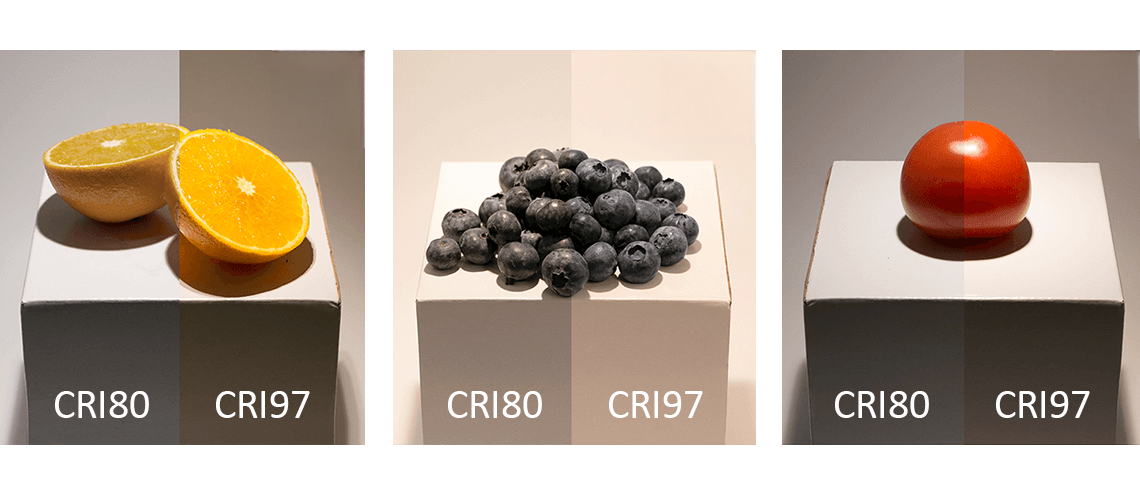
CRI 80 vs CRI 97: Ra97 exhibits a more vibrant color, leading to higher customer purchase intent. Thus, CRI has a significant commercial impact on retail conversion rates.
Color Temperature — Matching Kelvin to Your Space
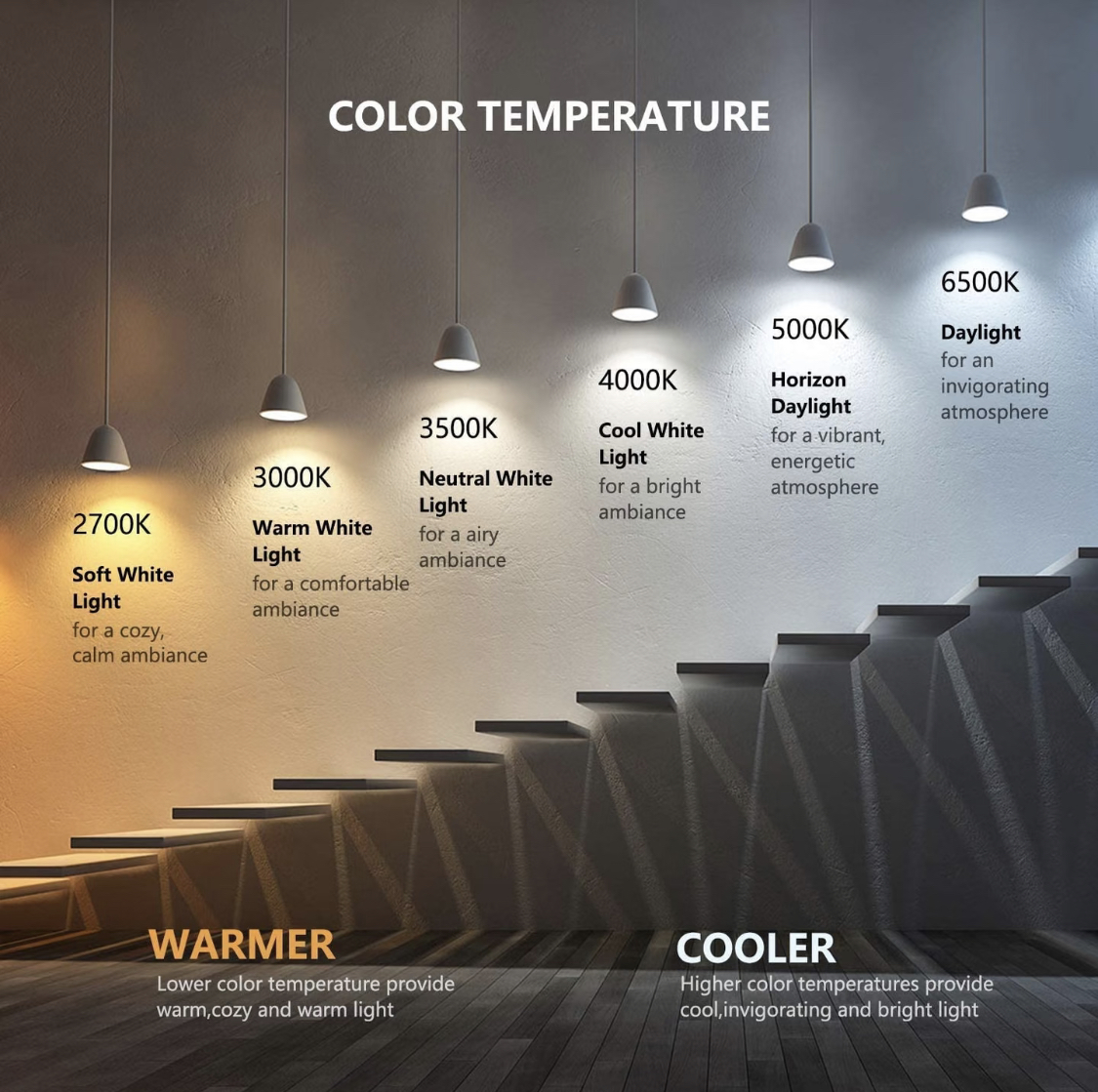
- 2700K (Warm White): High-end hotel rooms, spas, fine dining — warmth and dwell time priority.
- 3000K: Premium retail, boutiques, showrooms — warm enough to feel inviting, neutral enough to render merchandise accurately. The most specified CCT for commercial LED track lighting.
- 4000K (Neutral White): Offices, exhibition halls, modern commercial spaces — clarity and task performance.
- 5000K+: Workshops, pharmaceutical, industrial. Rarely appropriate for customer-facing areas.
If your project spans multiple zones requiring color consistency, confirm with your supplier that all fixtures are from the same production batch and specify a color tolerance of SDCM ≤ 3 to ensure visual uniformity.
CRI 80 vs CRI 97: Ra97 exhibits a more vibrant color, leading to higher customer purchase intent. Thus, CRI has a significant commercial impact on retail conversion rates.
Anti-Glare Design — UGR Values and What to Look For
Glare is not only a comfort issue — in certain environments it is a compliance issue. UGR (Unified Glare Rating) is the international standard metric defined under CIE 117:
- UGR < 19: Baseline requirement under EN 12464-1 for most commercial interiors.
- UGR < 16: Required for precision work environments and drawing offices.
- UGR < 13: Applied in museums and galleries where glare impairs viewing experience.
Two structural approaches achieve low UGR in anti-glare LED track lights: the honeycomb louvre (micro-cell grid that absorbs off-axis light, ~5-8% lumen penalty) and the deep cup reflector (recessed housing that shields the source from wide-angle sightlines, zero lumen penalty). Before ordering for office, museum, or classroom installations, request the photometric report (IES or LDT file) — do not rely on marketing spec sheets.
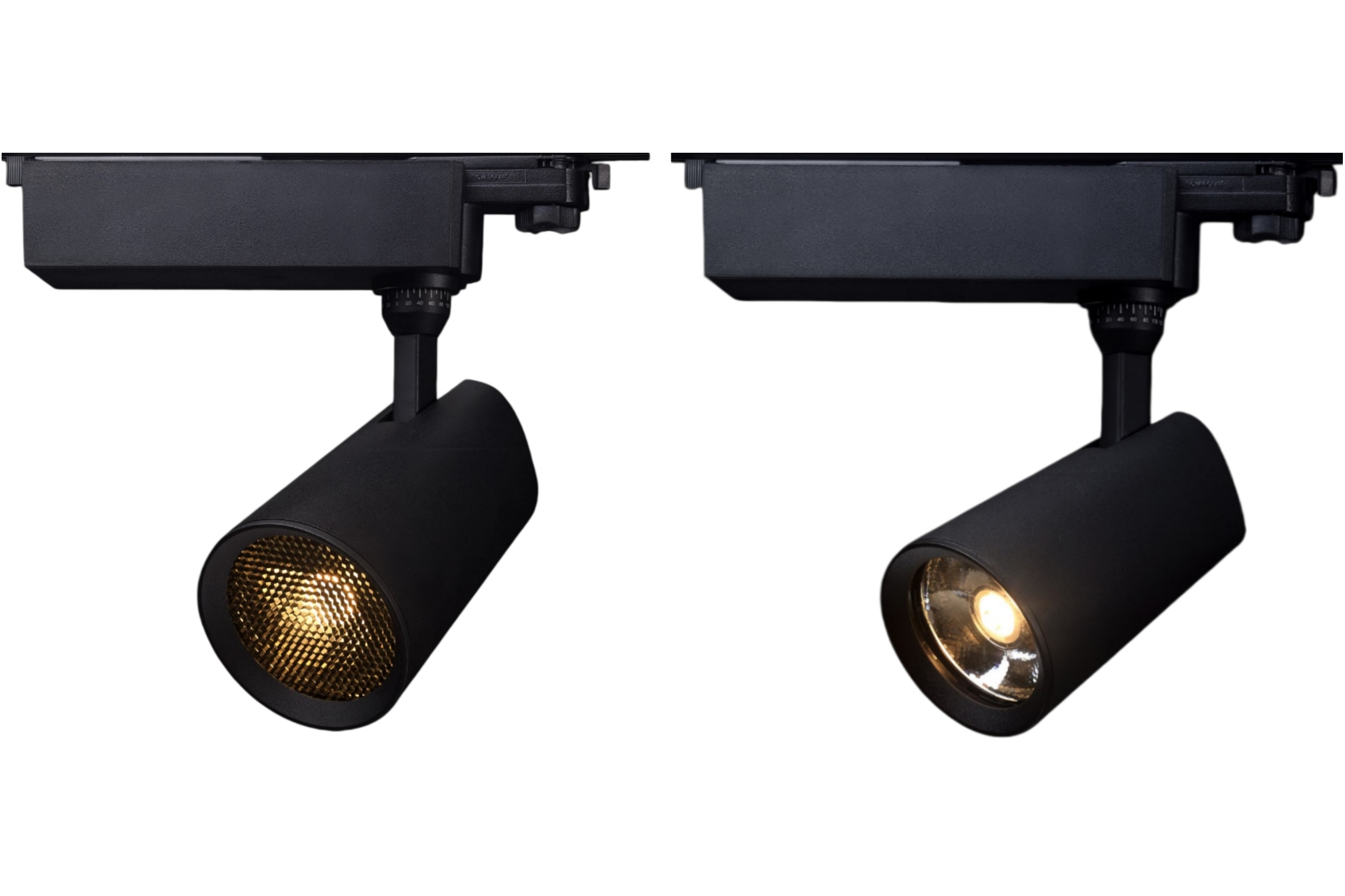
Honeycomb louvre (left) vs deep cup reflector (right). Both reduce UGR — choose based on your lumen budget and minimum beam angle requirement.
Driver Quality — Why the Driver Determines Long-Term Performance
The LED chip is rarely the first component to fail in a track light. The driver is. Driver quality is the single most important — and most overlooked — variable in long-term fixture performance.
Isolated vs. non-isolated drivers: An isolated driver includes a galvanic barrier between the mains input and the LED output circuit. This is the standard for commercial environments because it prevents dangerous fault voltages from reaching the fixture body. Non-isolated drivers are cheaper but unsuitable for any installation where the fixture housing may be touched.
Brands worth specifying: LIFUD, OSRAM, and Eaglerise publish publicly verifiable LM-80 test data and L70 lifespan figures that can be independently checked against third-party test reports.
Flicker-free performance: PWM dimming at frequencies below 1,000Hz can produce visible flicker — particularly problematic in retail environments where video recording is common. Constant-current (DC) dimming eliminates this. Quick field test: point a smartphone camera at a running fixture and check the live feed. Visible horizontal banding indicates flicker the naked eye may not catch directly.
When requesting samples, always test dimming behavior at the lowest setting — 1-10% output. This is where low-quality drivers exhibit instability first: stuttering, sudden cut-out, or visible pulsing.
Flicker in LED track lights causes eye strain and headaches — and shows up as banding on smartphone cameras in retail environments.
What dimming systems are available for led track lighting?
| Project Type | Recommended Dimming | 4-Wire Rail Needed? | Control Complexity |
|---|---|---|---|
| Residential / small cafe | Triac / Phase-cut | No | Low |
| Chain retail / open office | 0-10V | No (signal cable separate) | Medium |
| Hotel / museum / premium retail | DALI ✓ Recommended | Yes | High |
| Warehouse / utilitarian commercial | On/Off or 0-10V | No | Low |
Watch how DALI wiring connects to a 4-wire track rail and assigns each fixture its own address.
DALI Dimming — Full Control for Smart Buildings
DALI gives every fixture its own address. In a museum with 40 track spotlights, each one can be set to a different brightness level from a single interface. A hotel lobby can switch from full brightness at check-in to a soft evening scene on a timer — automatically.
DALI integrates with building management systems (BMS), occupancy sensors, and HVAC schedules. It requires a DALI-compatible driver in each fixture and a 4-wire track rail to carry the control signal. For high-end retail track lighting, hotel, or gallery installations — specify DALI from the start. Retrofitting after installation is costly.
Triac dimmers work with standard wall switches — reliable for home and small retail track lighting, but not recommended for commercial projects where flicker-free performance is required.
Triac / Phase Dimming — Residential Only
Triac dimming works by truncating the AC sine wave, reducing average power delivered to the driver on each cycle. Compatible with standard rotary wall dimmers — lowest cost dimming solution available. The limitations are significant for commercial use: at low brightness levels below 20%, many Triac-dimmed LED drivers exhibit visible flicker or audible buzzing caused by driver-dimmer incompatibility. Appropriate for residential installations, small cafés, and low-complexity retail only. Not a valid specification for hotel, museum, or multi-zone commercial projects.
0-10V Dimming: one signal wire, smooth flicker-free output — the commercial standard for retail and office track lighting.
0-10V Dimming — Commercial Standard
0-10V dimming uses a low-voltage analog signal wire running in parallel with the power circuit. The control voltage — from 0V (off) to 10V (full output) — is sent from a wall controller to the driver, producing a smooth, linear dimming curve without flicker risk. The main constraint: every driver connected to the same signal wire responds identically. Individual fixture addressing is not possible within a single control zone. For offices, chain retail, and commercial spaces needing scene presets without single-fixture control, 0-10V is the practical standard.
What are the different track rail and head configurations?
2-Wire, 3-Wire, 4-Wire, 5-Wire and 6-Wire Track Rails Explained
The number of conductors inside a track rail determines safety compliance, available circuit configurations, and dimming capability for the entire installation.
- The 1 Phase Track Rail System, each luminaire head on the same track is connected to a common circuit, enabling synchronized switching and dimming. It is ideal for spaces requiring uniform lighting: corridors, warehouses, and open-plan offices.
- The 2 Phase Track Rail System enabled by a 4-wire rail, divides fixtures on a single rail into two independently controlled groups.
The two wire track lacks a ground wire and can only make low voltage. Recommendation: start from 3-wire as the minimum and upgrade to 4-wire when dual-circuit control or DALI integration is part of the brief.